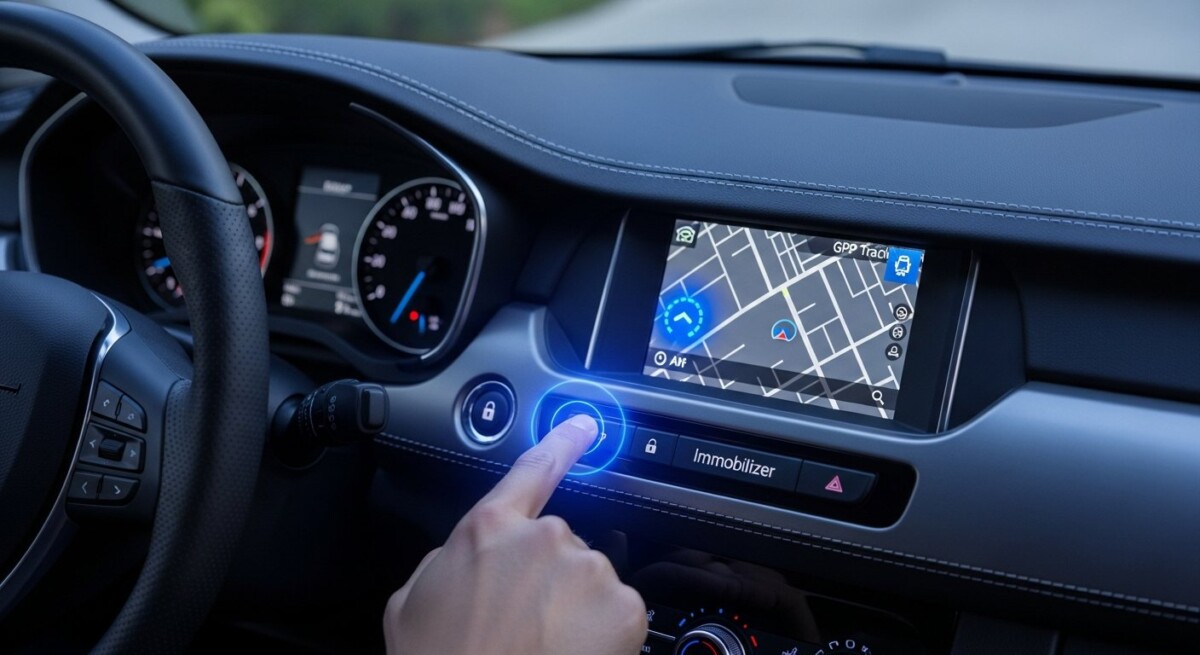
Modern cars come equipped with an impressive array of technology, and anti-theft devices are among the most valuable features for both security and insurance savings. If you have installed a tracking system, immobilizer, or alarm in your vehicle, you may be paying more than necessary for your auto insurance. Insurance companies recognize that vehicles with anti-theft devices are less likely to be stolen or recovered quickly, which reduces their risk. This translates into tangible discounts and policy benefits for you. Understanding the specific policies for cars with anti-theft devices can help you maximize savings while ensuring you have the right coverage in place.
Many drivers assume that any anti-theft device automatically qualifies for a discount, but the reality is more nuanced. Insurers have specific requirements for what qualifies as an approved device, how it must be installed, and whether it is passive or active. Some devices earn a flat discount, while others may reduce comprehensive coverage premiums. In this article, we will break down how insurers evaluate anti-theft devices, what types of devices qualify, and how you can leverage these policies to lower your premiums. We will also address common questions about aftermarket installations and state-specific considerations.
How Insurers Define Qualifying Anti-Theft Devices
Insurance companies categorize anti-theft devices into two main types: passive and active. Passive devices activate automatically when the vehicle is turned off or the key is removed. Examples include engine immobilizers, automatic kill switches, and passive steering wheel locks. Active devices require manual activation, such as aftermarket alarms or steering wheel locks that the driver must engage each time they park. Insurers generally favor passive devices because they do not rely on human memory, making them more effective at preventing theft.
Beyond the passive versus active distinction, insurers also look for devices that are certified by recognized testing organizations. The most common certification standards come from the Insurance Bureau of Canada (IBC) for Canadian policies and the Underwriters Laboratories (UL) or the National Insurance Crime Bureau (NICB) for U.S. policies. For example, a vehicle with an NICB-approved tracking system like LoJack or OnStar may qualify for a higher discount than a generic aftermarket alarm. Some insurers maintain their own approved device lists, so it is wise to check with your provider before purchasing a new system.
It is also important to note that factory-installed anti-theft devices are almost always eligible for discounts. Most modern cars come with engine immobilizers and alarm systems as standard equipment. However, the discount may already be factored into the base premium, meaning you might not see an additional reduction unless you add a secondary device. For older vehicles, installing an aftermarket device can unlock significant savings, especially if the car lacks built-in security features.
Common Discounts and Coverage Adjustments
When you add a qualifying anti-theft device to your vehicle, the most immediate benefit is a discount on your comprehensive coverage premium. Comprehensive insurance covers theft, vandalism, and damage from non-collision events. Because anti-theft devices reduce the likelihood of a successful theft, insurers reward you with lower rates. Discounts typically range from 5% to 25% off the comprehensive portion of your premium, depending on the device and the insurer.
Some policies also offer a deductible waiver for theft if you have a qualifying tracking device. For example, if your car is stolen and recovered, the tracking system helps authorities locate it quickly. In such cases, the insurer may waive your comprehensive deductible. This can be a significant financial benefit, as comprehensive deductibles often range from $250 to $1,000. Additionally, a few insurers offer a recovery reward: if your vehicle is recovered due to the tracking device, you may receive a cash bonus or a premium credit.
To give you a clearer picture, here are the most common types of anti-theft devices and their typical discount ranges:
- Engine immobilizers: These passive devices prevent the engine from starting without the correct key or fob. Discounts range from 5% to 15% on comprehensive coverage.
- GPS tracking systems: Devices like LoJack, OnStar, or aftermarket GPS trackers can earn 10% to 25% discounts and may qualify for deductible waivers.
- Vehicle alarm systems: Audible alarms with motion sensors or glass-break detection typically offer 5% to 10% discounts.
- Steering wheel locks: While less effective than electronic devices, visible locks like The Club can earn a small discount (2% to 5%) and act as a visual deterrent.
These discounts can stack with other savings such as multi-policy, safe driver, or low mileage discounts. It is always worth asking your agent to review your current policy and apply any applicable anti-theft device discounts you may have missed.
Documentation and Verification Requirements
To qualify for a discount, you must provide proof that your vehicle has a qualifying anti-theft device. For factory-installed systems, the vehicle identification number (VIN) usually indicates the presence of standard equipment, and your insurer can verify this automatically. For aftermarket installations, you will need to submit documentation such as a receipt from the installation, a certificate of installation from a certified technician, or a photograph of the device installed in the vehicle.
Some insurers require an inspection to confirm the device is operational and properly installed. This is more common for high-value vehicles or for devices that are not on the insurer’s pre-approved list. If you are adding a device after purchasing the policy, notify your agent immediately and provide the required documentation. Discounts are typically applied from the date of installation, not retroactively, so prompt reporting matters.
It is also worth noting that discounts may expire if you remove the device or if it becomes non-functional. For example, if you cancel your OnStar subscription or remove a GPS tracker, your insurer may adjust your premium at the next renewal. Keep records of your device’s maintenance and subscription status to avoid unexpected rate increases.
State and Province-Specific Variations
Auto insurance is regulated at the state level in the United States, and policies for cars with anti-theft devices can vary significantly by location. Some states, such as New York and Michigan, mandate that insurers offer discounts for anti-theft devices, while others leave it to the discretion of each company. In states with high vehicle theft rates, you may find more generous discounts as insurers seek to incentivize theft prevention.
For example, California requires insurers to offer a discount for vehicles equipped with a passive anti-theft device that meets specific standards. In contrast, Texas does not have a statutory requirement, but most major carriers still offer discounts to remain competitive. If you live in a state with no mandated discount, you may need to shop around to find an insurer that values anti-theft devices. Comparing quotes from multiple providers is the best way to identify which companies offer the most favorable terms for your specific device.
In Canada, provinces like Ontario and British Columbia have similar frameworks. The Insurance Bureau of Canada maintains a list of approved devices, and insurers in these provinces typically offer standardized discounts for IBC-certified systems. If you are unsure about your region’s requirements, consult your insurance agent or broker for guidance.
Aftermarket Devices and DIY Installations
Aftermarket anti-theft devices range from simple steering wheel locks to sophisticated GPS tracking systems with smartphone integration. While DIY installation of a steering wheel lock or a basic alarm is straightforward, more complex systems like engine immobilizers or GPS trackers should be installed by a professional. Improper installation can lead to device failure, electrical issues, or even voiding your vehicle’s warranty. More importantly, insurers may deny the discount if the installation is not certified by a licensed technician.
Before purchasing an aftermarket device, verify that it is on your insurer’s approved list. Many insurers publish this list online or provide it upon request. If the device is not listed, you can ask your agent to submit it for approval, but there is no guarantee it will qualify. Sticking with well-known brands like Viper, Compustar, or LoJack increases the likelihood of approval.
For classic or collector cars, specialized anti-theft devices are often required to meet the insurer’s standards for agreed value policies. In our guide on Insuring Classic Cars: A 2026 Guide to Agreed Value Policies, we explain how proper security measures can protect your investment and qualify you for better terms. Similarly, if you frequently rent vehicles, you may wonder whether rental companies’ anti-theft systems affect your personal insurance. Our article on Auto Insurance for Rental Cars: Everything You Need to Know covers how your policy interacts with rental car security features.
Frequently Asked Questions About Anti-Theft Device Policies
Will installing a dash cam qualify as an anti-theft device?
Standard dash cams that record while driving are not typically classified as anti-theft devices because they do not prevent theft or aid in recovery. However, some advanced dash cams with parking mode and motion detection may qualify if they trigger an alarm or send notifications. Check with your insurer for specific requirements.
Can I get a discount for a kill switch I installed myself?
DIY kill switches may not qualify for a discount unless they are certified and professionally installed. Insurers prefer devices that meet industry standards and have a documented installation. A homemade kill switch could also create liability issues if it causes an accident.
Do anti-theft device discounts apply to liability coverage?
No, discounts for anti-theft devices apply only to comprehensive coverage, which covers theft and vandalism. Liability coverage protects against damage you cause to others, which is unrelated to theft prevention.
How do I know if my factory system qualifies for a discount?
Most factory-installed systems qualify automatically. Your insurer can verify the equipment using your VIN. If you are unsure, ask your agent to check your policy details. You may be missing a discount that is already built into your premium structure.
Will my rates increase if I remove an anti-theft device?
Yes, if you remove a device that was used to qualify for a discount, your insurer will adjust your premium at the next renewal. Always notify your agent before removing or deactivating any security system to avoid unexpected rate changes.
Maximizing Your Savings Through Policy Comparisons
One of the most effective ways to benefit from policies for cars with anti-theft devices is to compare multiple insurance quotes. Not all insurers offer the same discounts, and some may value certain devices more than others. A GPS tracking system might earn a 20% discount from one company but only 10% from another. By shopping around, you can find the carrier that offers the best combination of coverage and savings for your specific setup.
When comparing policies, pay attention to the fine print. Some insurers cap the total discount you can receive from all safety and security features combined. Others may require that the device be active and monitored for a certain period before the discount applies. Reading the policy documents or asking your agent directly can prevent misunderstandings later.
For drivers who are considering upgrading their security system, it is worth calculating the potential insurance savings against the cost of the device and installation. A $500 GPS tracker that saves you $100 per year will pay for itself in five years, not including the added peace of mind. If you are financing a vehicle, some lenders also require anti-theft devices, and insurance discounts can offset that mandatory expense.
If you are currently renting a car and want to know how your personal anti-theft devices interact with rental coverage, our article on Does State Farm Cover Rental Cars? Here’s What to Know provides detailed insights. Additionally, understanding your Liability Insurance for Cars: Choosing the Right Coverage is essential to avoid gaps in protection.
In the end, the key to unlocking the full potential of anti-theft device discounts is proactive communication with your insurer. Do not assume that your current policy automatically includes all available discounts. Review your declarations page, ask your agent about qualifying devices, and provide documentation promptly. A few minutes of effort can lead to hundreds of dollars in annual savings while keeping your vehicle safer.