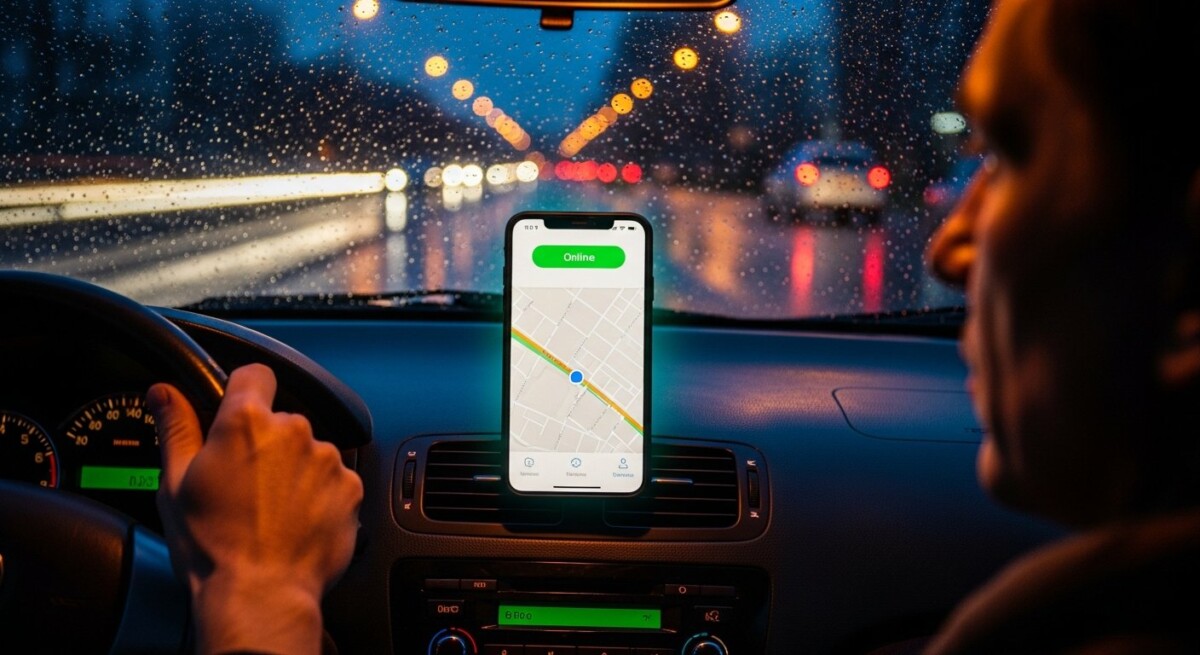
Driving for Uber, Lyft, or DoorDash offers flexibility and income, but it also creates a significant gap in your auto insurance coverage. Personal auto policies explicitly exclude commercial activity, meaning a single accident during a ride could leave you financially exposed. Understanding how to get insurance quotes for rideshare drivers is the first step toward protecting your livelihood and your personal assets. This guide walks you through the process, explains coverage requirements, and shows you how to compare policies effectively.
Why Rideshare Drivers Need Specialized Insurance
Standard personal auto insurance policies contain a business use exclusion. If you are logged into a rideshare app and waiting for a ride request, your personal policy will likely deny coverage if you cause an accident. The same applies when you are actively transporting a passenger. Rideshare insurance bridges this gap by providing coverage during all phases of your driving activity.
Most major rideshare companies provide liability coverage while you are on a trip, but their coverage has limits and may not protect your vehicle. For example, Uber provides $50,000 per person for bodily injury and $100,000 per accident, but only after you accept a ride. During Period 1 (waiting for a request), Uber’s coverage drops to just $50,000 per accident with no collision or comprehensive protection. Your personal policy still excludes coverage during this period, leaving you vulnerable.
The Core Components of a Rideshare Insurance Policy
When you compare rideshare insurance quotes, you need to understand what each policy covers. Rideshare endorsements or specialized policies typically include these elements:
- Period 1 Coverage: Protection while you are logged into the app but have not yet accepted a ride request. This is the most commonly missed coverage gap.
- Period 2 and 3 Coverage: Protection from the moment you accept a ride until the passenger exits your vehicle. Some policies mirror or supplement the rideshare company’s liability limits.
- Collision and Comprehensive: Physical damage coverage for your vehicle during all periods, subject to your deductible.
- Uninsured/Underinsured Motorist Coverage: Protection if you are hit by a driver without adequate insurance while working.
Not all insurers offer the same level of coverage. Some provide a simple endorsement that adds coverage for Period 1 only, while others offer a full hybrid policy that covers all periods with higher limits. Your choice depends on your risk tolerance and how much you drive.
In our guide on how to get the best auto insurance quotes in Arizona, we explain how state-specific minimums affect your options. The same principles apply to rideshare coverage, though you should aim for limits well above the state minimum.
Step-by-Step: How to Get Insurance Quotes for Rideshare Drivers
Getting accurate quotes requires more than just filling out a generic form. Follow these steps to ensure you receive apples-to-apples comparisons.
Step 1: Gather Your Driving and Vehicle Information
Before you start requesting quotes, collect the following details: your driver’s license number, vehicle identification number (VIN), current odometer reading, and a list of all drivers in your household. Also note your annual mileage split between personal and rideshare use. Insurers need this data to assess risk accurately.
Step 2: Identify Insurers That Offer Rideshare Coverage
Not every auto insurance company offers rideshare endorsements. Major carriers like Allstate, Farmers, GEICO, Liberty Mutual, Nationwide, Progressive, and State Farm provide some form of rideshare coverage, but the specifics vary. Some only offer it in certain states. Start with insurers known for rideshare policies, then expand your search to independent agents who can access multiple carriers.
Step 3: Request Quotes with Identical Coverage Limits
To compare prices fairly, request quotes with the same liability limits, deductibles, and add-ons. For example, ask for $100,000 per person and $300,000 per accident for bodily injury, $50,000 for property damage, a $500 deductible for collision and comprehensive, and $100,000 in uninsured motorist coverage. This consistency lets you see which insurer offers the best rate for identical protection.
Step 4: Ask About Rideshare Endorsement Pricing
When you receive a quote, confirm that it includes the rideshare endorsement or policy. Some insurers quote a standard policy and then add the endorsement as a separate cost. Ask specifically: “Does this quote include the rideshare coverage add-on, and what is the additional premium?” This prevents surprises when you bind the policy.
Step 5: Compare Deductible Options
Rideshare policies often have a separate deductible for incidents that occur during Period 1. Some insurers reduce or waive the deductible if the rideshare company’s coverage applies. Compare deductible structures carefully, as a lower deductible may increase your premium but save you money after a claim.
For a broader perspective on bundling, read our article on how to get the best auto and home insurance quotes. Combining your rideshare auto policy with homeowners or renters insurance can unlock discounts that lower your overall cost.
Factors That Influence Your Rideshare Insurance Premium
Insurers evaluate several risk factors when calculating your rideshare insurance quote. Understanding these can help you improve your rates before you apply.
- Driving Record: Accidents, speeding tickets, and DUIs raise your premium significantly. A clean record for three to five years qualifies you for the best rates.
- Annual Mileage: Rideshare drivers log more miles than average commuters. Higher mileage increases exposure and premium. Be honest about your annual estimate, as underestimating can lead to a claim denial.
- Location: Urban areas with higher accident rates and theft claims result in higher premiums. Your garaging address is a major rating factor.
- Vehicle Type: A newer, more expensive car costs more to insure than an older economy vehicle. Some vehicles are also more likely to be stolen or cost more to repair.
- Credit History: In most states, insurers use credit-based insurance scores to set rates. Improving your credit score can lower your premium.
You can request a free quote online from multiple insurers or use a comparison service. Our platform at get a free auto insurance quote now connects you with licensed agents who understand rideshare coverage. This saves you time and ensures you see all available options.
Common Mistakes When Shopping for Rideshare Insurance
Many drivers make errors that cost them money or leave them underinsured. Avoid these pitfalls:
- Assuming the Rideshare Company’s Policy Is Enough: The coverage provided by Uber or Lyft has limits and gaps. It does not cover your vehicle’s damage during Period 1, and it may not provide adequate liability protection for serious accidents.
- Not Disclosing Rideshare Activity: Hiding your gig work from your insurer is fraud. If you file a claim and the insurer discovers you were driving for a rideshare company, they can deny the claim and cancel your policy.
- Choosing the Cheapest Policy Without Checking Coverage: A low premium may come with minimal coverage during Period 1 or a high deductible. Read the policy details or ask your agent to explain exactly when coverage applies.
- Forgetting to Update Your Policy After Changing Platforms: If you stop driving for Uber and start delivering food for DoorDash, your risk profile changes. Notify your insurer so they can adjust your coverage if needed.
By avoiding these mistakes, you ensure that your insurance performs when you need it most. A thorough comparison helps you find a policy that balances cost and protection.
Frequently Asked Questions
Can I use my personal auto insurance for rideshare driving?
No. Standard personal auto policies exclude business use, including rideshare driving. You need a rideshare endorsement or a specialized policy to have coverage while working.
How much does rideshare insurance cost?
Rideshare endorsements typically add 10% to 30% to your annual premium, depending on your insurer, driving record, and location. A full hybrid policy may cost more but provides broader coverage.
Will my rates go up if I tell my insurer I drive for rideshare?
Yes, your premium will increase because the insurer is taking on additional risk. However, the increase is usually modest compared to the financial risk of driving without proper coverage.
Do I need rideshare insurance if I only drive occasionally?
Yes. Even occasional driving creates a coverage gap. If you cause an accident while logged into the app, your personal policy will likely deny the claim, leaving you personally liable for damages.
Can I get rideshare insurance from any auto insurer?
No. Only certain insurers offer rideshare endorsements or policies. You may need to switch carriers if your current insurer does not offer this coverage.
For affordable options, see our guide on budget auto insurance quotes. Many budget-friendly insurers now offer rideshare add-ons, so affordable coverage is possible.
Final Thoughts on Securing Rideshare Coverage
Getting the right insurance for your rideshare work does not have to be complicated. By understanding the coverage gaps, gathering accurate information, and comparing quotes from multiple insurers, you can find a policy that protects you without breaking your budget. Start by requesting quotes from at least three carriers that offer rideshare endorsements, and always read the policy language to confirm what is covered during each period. Your income and your personal assets depend on having the right protection in place.