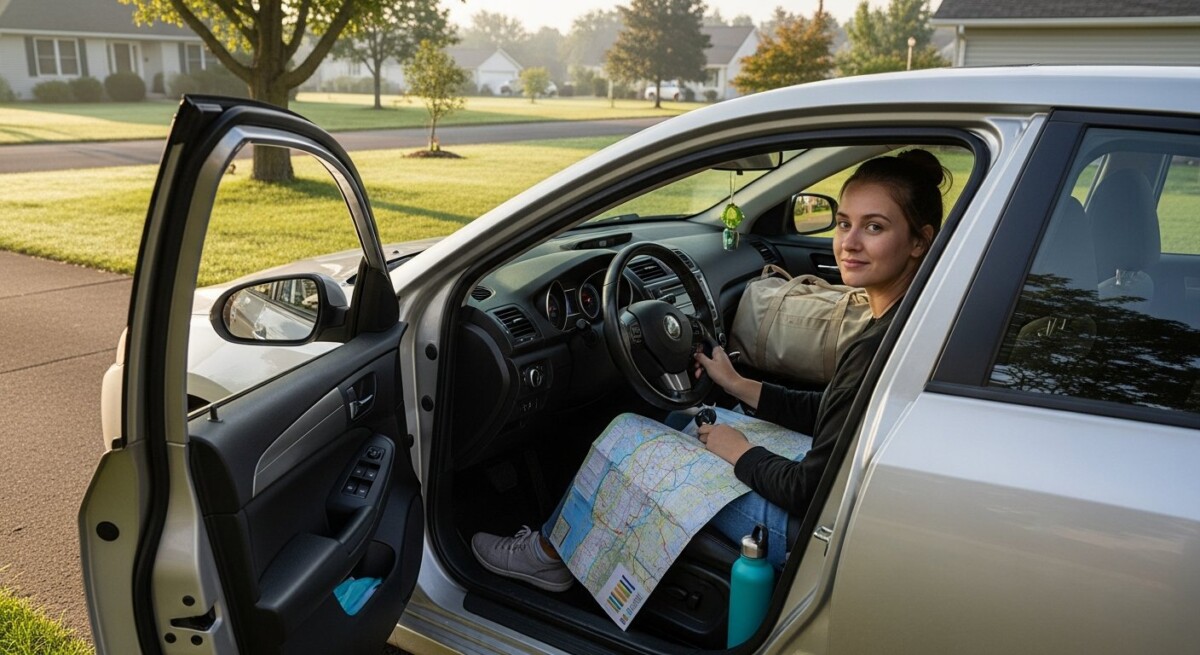
Imagine you are planning a weekend road trip or need to borrow a friend’s car for a few days. You might wonder if your existing policy covers you or if you need separate protection. That is where temporary car insurance for short trips becomes a lifesaver. This type of coverage fills a specific gap in the market: it provides liability, collision, and comprehensive protection for a limited period, usually from one day to several weeks. Unlike annual policies that lock you into a long-term contract, short-term insurance lets you pay only for the days you drive. In this article, we will explore how temporary policies work, who needs them, and how to choose the best option for your situation.
What Is Temporary Car Insurance for Short Trips?
Temporary car insurance for short trips is a flexible policy designed to cover a vehicle for a specific, limited duration. Standard auto insurance policies typically run for six or twelve months, but temporary policies can be purchased for as little as one day or up to 28 days. They are ideal for scenarios where you need coverage quickly and do not want to commit to an annual plan. These policies usually include the same core protections as traditional insurance: liability coverage for bodily injury and property damage, collision coverage for damage to the vehicle you are driving, and comprehensive coverage for non-collision events like theft or vandalism.
One common misconception is that temporary insurance is only for rental cars. In reality, it can be used for a variety of situations, such as borrowing a friend’s car, test-driving a vehicle you are considering buying, or covering a car you rarely drive. Some insurers even offer pay-per-mile or usage-based policies that calculate premiums based on how far you drive. This makes temporary insurance a cost-effective alternative to adding a vehicle to an existing policy or buying a full-year plan.
It is important to note that temporary car insurance is not the same as non-owner insurance. Non-owner policies provide liability coverage for drivers who do not own a vehicle but frequently borrow cars. Temporary insurance, on the other hand, is tied to a specific vehicle and driver for a short period. If you need coverage for a weekend getaway or a cross-country move, temporary insurance is often the better choice.
Who Benefits from Short-Term Coverage?
Short-term policies are not for everyone, but they serve several distinct groups of drivers. Understanding who benefits most can help you decide if this type of coverage is right for you. Here are the primary scenarios where temporary car insurance for short trips makes sense.
Borrowing a Friend or Family Member’s Car
If you need to drive a friend’s car for a few days, your own insurance policy might provide limited coverage. Many policies extend liability protection to drivers who have permission to use the vehicle, but this is not always guaranteed. Additionally, your policy’s collision and comprehensive coverage may not apply to a car you do not own. Temporary insurance bridges this gap by providing full coverage for the borrowed vehicle. For example, you can purchase a one-day policy to drive a friend’s car to a wedding or a weekend policy for a camping trip.
Rental Cars and Test Drives
Rental car companies offer their own insurance products, but these can be expensive. If you have a personal auto policy, it may already cover rental cars, but the level of protection varies. Temporary insurance can be a cheaper alternative to the rental company’s collision damage waiver. Similarly, when test-driving a used car from a private seller, your existing policy might not cover damage to the vehicle. A short-term policy protects you from financial liability during the test drive.
Infrequent Drivers and Seasonal Vehicles
If you own a car that you only drive a few times a year, such as a classic car or a second vehicle, a full-year policy might be wasteful. Temporary insurance allows you to activate coverage only when you plan to drive. This is particularly useful for antique cars or motorcycles that are stored during winter. You can purchase a policy for a weekend car show or a summer road trip and avoid paying premiums for months when the vehicle is not in use.
How to Choose the Right Temporary Policy
Selecting the best temporary car insurance for short trips requires careful comparison. Not all insurers offer short-term policies, and the terms can vary significantly. Follow these steps to find a policy that meets your needs.
First, determine the coverage limits you need. At a minimum, you should carry liability insurance that meets your state’s requirements. If you are driving a high-value vehicle or a rental car, consider adding collision and comprehensive coverage. Some insurers offer bundled packages that include roadside assistance or rental reimbursement, which can be helpful for long trips.
Next, shop around and compare quotes. Use online comparison tools or contact insurers directly. Look for companies that specialize in short-term policies, as they often have more flexible terms. Pay attention to the fine print, including any mileage restrictions, driver age requirements, and exclusions. For example, some policies may not cover drivers under 25 or vehicles over a certain age.
Finally, consider the ease of purchase and claims process. The best temporary insurers allow you to buy a policy online or through a mobile app in minutes. They should also provide a digital proof of insurance that you can show to law enforcement or rental agencies. Read reviews to ensure the company has a reputation for fair claims handling. In our guide on liability car insurance, we explain how to evaluate coverage limits and avoid common pitfalls.
Cost Factors and Savings Tips
The cost of temporary car insurance for short trips varies based on several factors. Understanding these factors can help you budget and find the best deal. Key pricing elements include the duration of coverage, the driver’s age and driving record, the vehicle’s value, and the coverage limits you select. A one-day policy might cost between $20 and $50, while a 30-day policy could range from $100 to $300. Drivers with clean records and older vehicles typically pay less.
Here are some tips to save money on temporary insurance:
- Bundle temporary coverage with other policies from the same insurer if possible. Some companies offer multi-policy discounts.
- Choose a higher deductible to lower your premium. Just ensure you can afford the out-of-pocket cost if you file a claim.
- Limit the duration of your policy to exactly the number of days you need. Avoid buying extra days you will not use.
- Compare rates from at least three different insurers. Prices can differ by more than 50 percent for the same coverage.
- Check if your current insurer offers short-term add-ons. Some major carriers allow you to extend coverage to a rental or borrowed car for a small fee.
Applying these strategies can reduce your costs significantly. For example, a driver who needs coverage for a five-day road trip might pay $80 with one company but only $45 with another. Taking the time to compare options is well worth the effort.
Frequently Asked Questions
Can I get temporary car insurance if I do not own a car?
Yes. Many insurers offer non-owner temporary policies that provide liability coverage when you drive a car you do not own. However, if you need full coverage for a specific vehicle, you should purchase a short-term policy tied to that car.
Does temporary insurance cover rental cars?
It can, but you must check the policy details. Some temporary policies explicitly exclude rental vehicles, while others cover them. If you are renting a car, ask the insurer whether the policy applies to rentals or consider buying coverage from the rental company.
Is temporary insurance more expensive than annual insurance?
On a per-day basis, temporary insurance is usually more expensive than an annual policy. However, if you only need coverage for a few days, it is cheaper than buying a full-year policy. The key is to match the duration to your needs.
Can I cancel a temporary policy early?
Most temporary policies are non-refundable once purchased. Some insurers allow cancellations with a partial refund, but this is rare. Read the cancellation policy before buying.
Common Exclusions and Limitations
Even the best temporary car insurance for short trips has limitations. Being aware of these exclusions can prevent surprises. Many short-term policies do not cover business use, such as deliveries or ride-sharing. They also typically exclude drivers with a history of DUIs or multiple accidents. Additionally, some policies have a maximum vehicle value limit, meaning they will not cover luxury or exotic cars. If you drive a high-value vehicle, you may need a specialized policy.
Another common limitation is geographic restrictions. Some temporary policies only cover driving within the United States and Canada. If you plan to drive into Mexico, you will need separate Mexican auto insurance. Finally, be aware that temporary insurance usually does not include roadside assistance or rental reimbursement unless you specifically add those options. Review the policy documents carefully to ensure you have the protection you expect.
For a deeper understanding of how different coverage types work, read our article on assurance car insurance. It explains the nuances of policy structures and how to match coverage to your driving habits.
Comparing Temporary Insurance to Other Options
Before purchasing temporary car insurance for short trips, consider alternative solutions. One option is to ask the vehicle owner to add you as a temporary driver on their policy. Many insurers allow this for a small fee, and it can be more convenient than buying a separate policy. Another alternative is to use a pay-per-mile insurance program if you drive infrequently. These programs track your mileage and charge a base rate plus a per-mile fee, which can be cost-effective for very low-mileage drivers.
If you frequently borrow cars or rent vehicles, a non-owner insurance policy might be a better long-term solution. Non-owner policies provide liability coverage and sometimes include medical payments, but they do not cover damage to the vehicle you are driving. Temporary insurance, by contrast, can include collision and comprehensive coverage. Weigh the pros and cons based on your specific situation.
For drivers on a tight budget, some insurers offer policies with low upfront payments. Our guide on $20 down payment car insurance outlines strategies for getting covered without a large initial outlay. While these options are typically annual policies, they can be a viable alternative if you need coverage for more than a month.
Steps to Purchase Temporary Insurance
Buying temporary car insurance for short trips is straightforward if you follow these steps. First, gather the necessary information: your driver’s license number, the vehicle’s make and model, its VIN, and the dates you need coverage. Have the vehicle owner’s permission if you are not the registered owner. Next, use an online comparison tool to get quotes from multiple insurers. Enter your details accurately to receive accurate pricing.
Once you select a policy, complete the purchase online. You will typically receive an insurance ID card via email or a mobile app. Print a copy or save it on your phone for easy access. Some insurers also offer instant coverage that starts as soon as you pay. Make sure the policy’s effective date and time match your needs. Finally, confirm with the vehicle owner or rental agency that the policy meets their requirements.
If you encounter issues during the purchase process, contact the insurer’s customer service. Many companies offer live chat or phone support. For additional guidance, refer to our resource on 10 car insurance terminologies everyone should know. Understanding key terms like deductible, premium, and coverage limit will help you make an informed decision.
When to Avoid Temporary Insurance
Temporary car insurance for short trips is not always the best choice. If you need coverage for more than 30 days, an annual policy is usually more cost-effective. Similarly, if you are a young driver with a clean record, adding yourself to a parent’s policy might be cheaper than buying temporary insurance. Temporary policies often have higher rates for drivers under 25, so compare prices before committing.
Additionally, if you plan to drive a vehicle that you own, consider a traditional policy with flexible payment options. Some insurers allow you to suspend coverage during months when you do not drive, which can reduce costs without requiring a temporary policy. Finally, avoid temporary insurance if you have a history of claims or traffic violations, as your rates may be prohibitively high.
In some cases, the vehicle owner’s insurance policy already covers occasional drivers. Before buying temporary insurance, ask the owner to check their policy. If their policy includes permissive use coverage, you may not need additional insurance. However, permissive use does not always extend to collision or comprehensive coverage, so verify the details.
Ultimately, the decision comes down to your specific needs and budget. Temporary insurance is a flexible tool, but it is not a one-size-fits-all solution. For personalized advice, call our team at 833-214-7506. We can help you evaluate your options and find the most affordable coverage for your short trip.