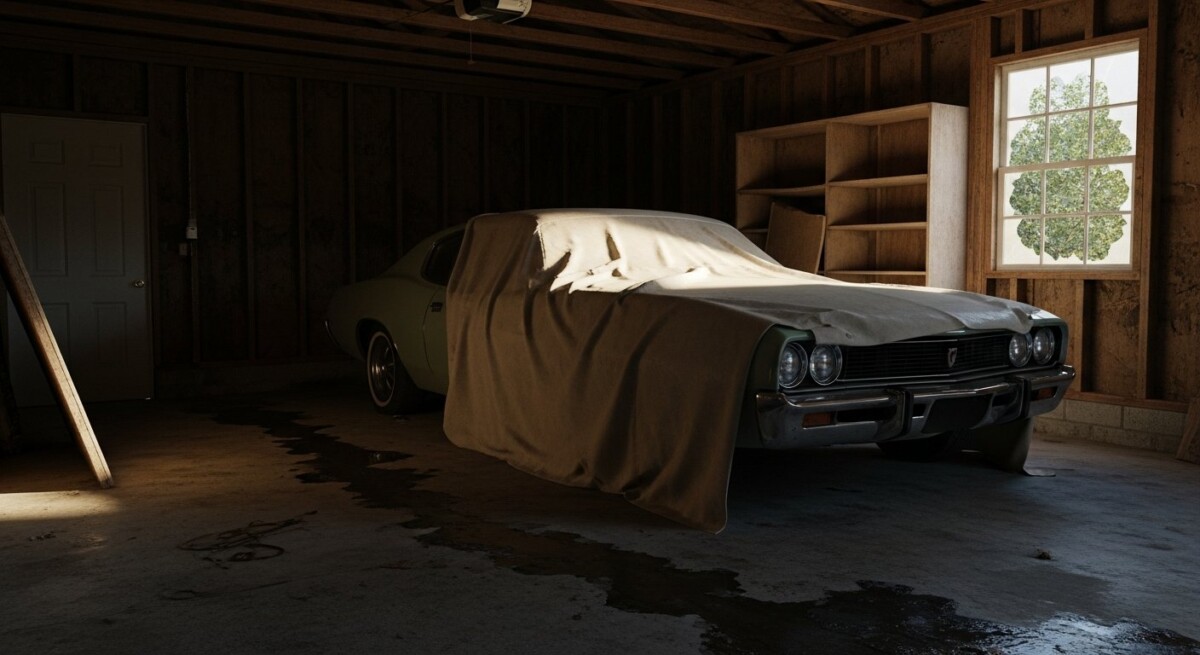
If you plan to park your car for an extended period, standard auto insurance might not provide the right protection. Vehicles in storage face unique risks like theft, vandalism, weather damage, and rodent infestation. Without proper coverage, a stored car can become a costly liability. Understanding auto insurance for vehicles in storage helps you avoid gaps in protection while potentially lowering your premiums. This guide explains what coverage you need, how to adjust your policy, and common mistakes to avoid.
Why Standard Auto Insurance May Not Be Enough for Stored Vehicles
Most auto insurance policies assume the vehicle is driven regularly. When you store a car for months, the risk profile changes dramatically. Comprehensive coverage remains important because it protects against non-collision events such as hail, falling branches, fire, and theft. However, liability and collision coverage often become unnecessary since the car is not on the road. Insurers typically allow policyholders to reduce coverage during storage, but you must notify them in advance. Failing to update your policy could leave you paying for coverage you do not need or, worse, expose you to uncovered losses.
For example, if a tree falls on your stored vehicle and you have only liability coverage, the damage is not covered. Similarly, if someone breaks into the storage unit and steals parts, comprehensive coverage is essential. In our guide on auto insurance cover vandalism, we explain how vandalism claims are handled and what documentation you need. Reviewing your policy before storage can save you thousands of dollars in out-of-pocket expenses.
Coverage Options for Stored Vehicles
When placing a vehicle in storage, you typically have three main options: keep your existing policy as is, reduce coverage to comprehensive only, or suspend coverage entirely. Each option has benefits and drawbacks.
Comprehensive-Only Coverage
This is the most common recommendation for stored vehicles. Comprehensive-only coverage protects against theft, vandalism, weather events, animal damage, and glass breakage. It is usually the cheapest option because it removes liability and collision premiums. For example, if a raccoon chews through wiring harnesses during winter storage, comprehensive coverage can pay for repairs minus your deductible. Most insurers allow this change without penalty as long as the vehicle is not driven during storage.
Reducing Liability to Minimum Levels
Some drivers prefer to keep minimal liability coverage for situations where the vehicle might be moved occasionally (e.g., for maintenance or emissions testing). Check with your insurer whether moving the car a few miles each month still qualifies as storage. Some policies require the vehicle to remain stationary for the reduced rate to apply. If you plan to start the engine periodically or drive it around the block, a storage-specific policy with low liability limits may be a better fit.
Suspending Coverage Entirely
This option is risky because it leaves the vehicle completely unprotected. Even if the car is parked on private property, you could be liable for damage caused by the vehicle (e.g., a brake failure that causes it to roll into a neighbor’s fence). Most states require continuous insurance coverage to avoid registration penalties. Suspending coverage should only be considered if the vehicle is stored in a fully enclosed, secure facility and you are certain no liability risk exists. In most cases, comprehensive-only coverage is safer and more cost-effective.
Factors That Influence Storage Insurance Costs
Several variables affect the premium for auto insurance for vehicles in storage. Understanding these can help you negotiate better rates or choose the right policy.
- Vehicle value: Higher-value cars cost more to insure because replacement parts are expensive. Classic cars often require agreed-value policies.
- Storage location: A locked garage in a low-crime area reduces risk compared to an uncovered driveway in a high-theft neighborhood.
- Duration of storage: Longer storage periods may qualify for seasonal discounts. Some insurers offer prorated refunds if you reduce coverage mid-policy.
- Deductible amount: Choosing a higher deductible lowers your premium but increases out-of-pocket costs if a claim occurs.
- Claims history: A clean record typically leads to lower rates, even for storage coverage.
For instance, storing a 2020 sedan in a climate-controlled garage for six months might cost $15 to $30 per month for comprehensive-only coverage. The same car parked outside in a hail-prone area could cost double. Always compare quotes from multiple insurers before committing.
How to Adjust Your Policy for Vehicle Storage
Adjusting your policy is straightforward but requires careful timing. Follow these steps to ensure seamless coverage transition.
- Notify your insurer before storage begins: Call or use the online portal to inform them of the storage period. Provide the start and end dates if known.
- Request a policy review: Ask which coverages can be removed and what minimum coverage is required by your state. Some states mandate liability coverage even for parked vehicles.
- Confirm the new premium and deductible: Get a written confirmation of the adjusted premium and any refund or credit due.
- Set a reminder to reinstate coverage: Mark your calendar for the end of the storage period to avoid driving without proper insurance.
- Document the vehicle’s condition: Take photos and videos before storage to support any future claims. This is especially important for classic cars.
If you store a vehicle for more than 30 days, some insurers automatically revert to the original policy. Always verify your coverage status monthly. For drivers in states like Michigan, where insurance requirements are unique, our article on auto insurance Michigan provides state-specific guidance on storage policies.
Common Mistakes When Insuring a Stored Vehicle
Many vehicle owners make errors that lead to denied claims or unexpected costs. Avoid these pitfalls.
Assuming your policy covers storage automatically: Not all policies include storage provisions. Some require a separate endorsement. Always read the fine print or ask your agent directly.
Forgetting to update your address: If you store the car at a different location than your primary residence, the insurer must know. Rates are based on garaging address, and failing to update it can void coverage.
Not considering theft of parts: Standard comprehensive covers the vehicle but may have limits on custom parts or upgrades. If your stored car has aftermarket wheels, a sound system, or specialized equipment, ask about additional coverage.
Driving the vehicle during storage: If you take the car out for a quick errand while on storage-only coverage, you are uninsured for liability and collision. This could result in personal financial ruin if an accident occurs.
To avoid these mistakes, consult resources like our guide on 10 expert tips for getting the best deal on auto insurance, which includes advice on adjusting coverage for seasonal use.
Special Considerations for Classic and Vintage Cars
Classic cars require specialized storage insurance due to their high value and unique repair needs. Standard comprehensive policies often undervalue these vehicles. Classic car insurers offer agreed-value policies, where you and the insurer set a fixed payout amount in case of total loss. This prevents disputes over depreciation. Storage for classics also demands climate-controlled facilities to prevent rust, mold, and leather cracking. Many classic car policies include roadside assistance and spare parts coverage. If you own a vintage vehicle, compare classic car insurance providers rather than using a standard auto insurer. For high-mileage vehicles that are being stored temporarily, our article on affordable auto insurance for high-mileage vehicles offers additional cost-saving strategies.
Frequently Asked Questions
Can I cancel my auto insurance while the car is in storage?
Yes, but it is generally not recommended. Canceling coverage removes all protection, including liability if the vehicle causes damage. Most states require continuous insurance to maintain registration. A better option is to switch to comprehensive-only coverage.
Will my rates increase after storage?
Not necessarily. Storage coverage typically reduces your premium because you drop liability and collision. However, if you file a claim during storage (e.g., vandalism), your rates could increase at renewal, similar to any other claim.
Does storage insurance cover rodent damage?
Standard comprehensive policies often cover rodent damage if it results from an accidental event like chewing through wires. However, some insurers exclude damage caused by pests. Read your policy carefully or ask your agent. If excluded, consider adding an endorsement.
How long can a vehicle be in storage before insurance changes?
There is no universal limit, but many insurers consider storage periods longer than 30 days as requiring a policy adjustment. Seasonal storage (e.g., winter for motorcycles) is common and usually accepted with proper notification.
What if I need to drive the stored vehicle occasionally?
Some insurers offer “storage with occasional use” policies that include limited liability and comprehensive coverage. These are ideal for owners who move the car for maintenance or short trips. Ask your insurer about this option before driving.
Understanding auto insurance for vehicles in storage protects your investment and prevents financial surprises. Whether you store a daily driver for a few months or a classic car for years, adjusting your policy ensures you pay only for the coverage you need. Review your policy annually, compare quotes, and consult with a licensed agent if circumstances change. For personalized assistance, call us at 833-214-7506 to discuss your storage insurance options.