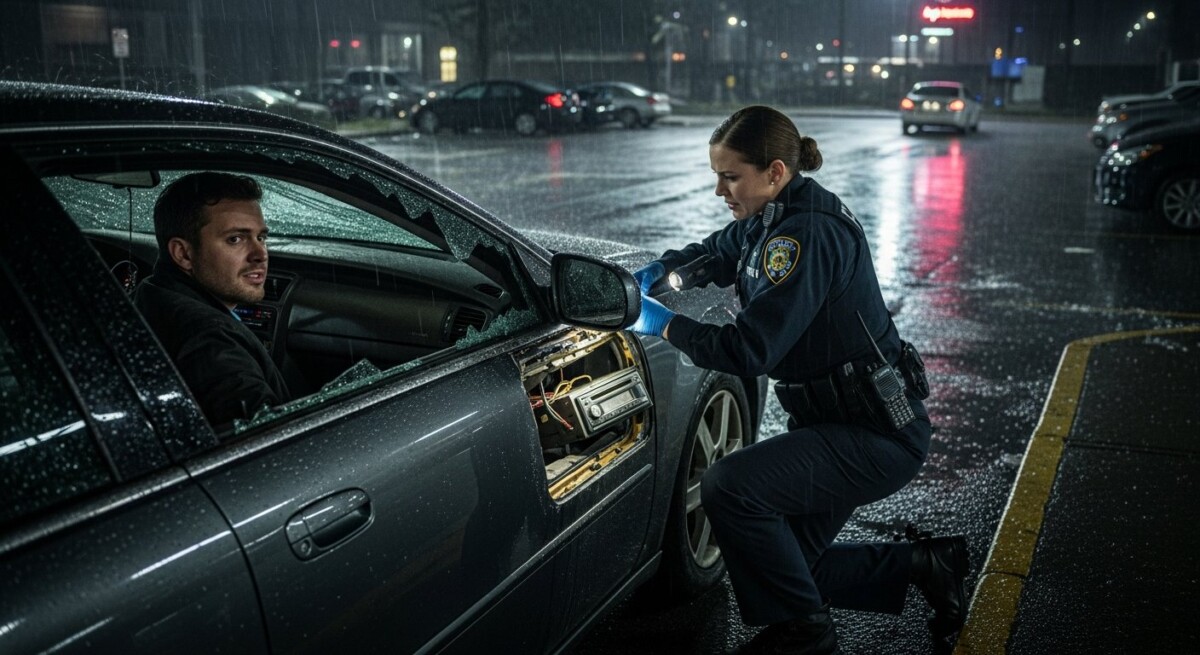
Car theft is a stressful and costly experience that no driver wants to face. Beyond the emotional toll of losing your vehicle, the financial hit can be severe if you lack the right coverage. Standard auto insurance policies often leave gaps that can lead to unexpected out-of-pocket costs. That is why understanding how to build a policy that truly protects you against theft is essential. This guide breaks down the key components of car insurance with theft protection, helping you choose the right coverage and avoid common pitfalls.
How Standard Car Insurance Handles Theft
A basic liability-only policy does not cover theft of your own vehicle. Liability insurance pays for damage you cause to others, not for losses you suffer. To get theft protection, you need comprehensive coverage. This type of coverage pays for damage to your car caused by events other than a collision, including theft, vandalism, fire, hail, and falling objects. If your car is stolen, comprehensive coverage reimburses you for the actual cash value of the vehicle at the time of the theft, minus your deductible.
Importantly, comprehensive coverage also protects against theft of parts and accessories that are permanently attached to your vehicle. For example, if thieves steal your custom wheels or stereo system, your comprehensive coverage may help pay for their replacement. However, personal items left inside the car, such as a laptop or phone, are not covered under your auto policy. Those items would fall under your homeowners or renters insurance. For a deeper look at how different coverages work together, check out our 3 Types of Car Insurance You Must Know guide.
Key Components of Theft Protection Coverage
Building a robust theft protection plan involves more than just adding comprehensive coverage. You need to understand several policy details and optional add-ons. Below are the critical elements to evaluate when shopping for car insurance with theft protection.
Comprehensive Coverage Limits and Deductibles
Your comprehensive coverage limit is typically the actual cash value of your car, which accounts for depreciation. If you finance or lease your vehicle, your lender may require a specific deductible amount, often $500 or $1,000. Choosing a lower deductible means higher premiums but less out-of-pocket cost if your car is stolen. A higher deductible lowers your premium but increases your financial risk. Consider your budget and the value of your vehicle when deciding. For older cars with low market value, a high deductible might make sense since the payout after a theft would be small anyway.
Gap Insurance for Financed Vehicles
If you owe more on your car loan than the vehicle is worth, standard comprehensive coverage may leave you with a significant gap. Gap insurance covers the difference between your loan balance and the actual cash value paid out by your insurer. This is crucial for new cars that depreciate quickly or for loans with little money down. Without gap coverage, you could be stuck making payments on a car you no longer have. Many insurers offer this as an affordable add-on.
Rental Reimbursement and Towing
After a theft, you may need a rental car while your claim is processed or while you shop for a replacement. Rental reimbursement coverage pays for a rental vehicle up to a daily limit and a total maximum. Towing coverage can help if your stolen car is recovered but damaged and needs to be towed to a repair shop. These are relatively inexpensive additions that can save you hundreds of dollars in temporary transportation costs.
Factors That Affect Your Theft Protection Premium
Insurance companies use several factors to determine your premium for comprehensive coverage. Understanding these can help you find the best rate. Key factors include:
- Vehicle make and model: Some cars are stolen more frequently than others. High-theft vehicles like certain SUVs and luxury sedans cost more to insure for theft.
- Where you park: Parking on the street in a high-crime area increases risk. A garage or secure parking lot can lower your premium.
- Anti-theft devices: Factory-installed alarms, immobilizers, and tracking systems like LoJack can qualify you for discounts.
- Your location: States and cities with higher theft rates generally have higher comprehensive premiums.
- Deductible chosen: A higher deductible reduces your premium but increases your out-of-pocket risk.
By managing these factors, you can reduce the cost of comprehensive coverage without sacrificing protection. For instance, installing an aftermarket tracking device may lower your rate enough to offset its cost over time. Each insurer weighs these factors differently, so comparing quotes from multiple companies is wise. If you are struggling with high rates, our guide on 10 Reasons Why My Car Insurance Is High may help you identify savings opportunities.
What To Do If Your Car Is Stolen
Even with excellent car insurance with theft protection, knowing the correct steps after a theft can speed up your claim and reduce stress. Follow this process:
- Contact the police immediately. File a stolen vehicle report. Provide the license plate number, VIN, make, model, and any distinguishing features. Get a copy of the police report for your insurance claim.
- Notify your insurance company. Call your insurer as soon as possible. Most companies have 24/7 claims lines. Provide the police report number and any details about the theft. Do not delay, as some policies have time limits for filing a theft claim.
- Document everything. Gather any evidence of ownership, such as your purchase contract, loan documents, and photos of the vehicle. List all personal items inside the car (those will be handled separately, usually under homeowners or renters insurance).
- Check for tracking devices. If your car has a GPS tracker, share the login information with the police. This can dramatically increase the chances of recovery.
- Work with your adjuster. Your insurance adjuster will guide you through the valuation process. If your car is recovered damaged, the claim will shift from total theft to vandalism or collision damage, which may change your deductible.
After filing, your insurer will investigate and determine the payout. If the car is not recovered within a certain period (often 30 days), most insurers settle the claim as a total loss. Understanding these steps can help you navigate a difficult situation with confidence.
Common Mistakes to Avoid With Theft Coverage
Many drivers unknowingly weaken their theft protection by making common errors. Being aware of these mistakes can save you from financial loss. First, assuming that liability insurance covers theft is a major error. Without comprehensive coverage, you have no protection for a stolen vehicle. Second, choosing a deductible that is too high relative to your car’s value can leave you paying more out of pocket than the car is worth. Third, failing to update your policy after installing anti-theft devices means missing out on potential discounts. Fourth, not adding gap insurance on a financed car is a risky oversight that can cost thousands. Finally, ignoring the fine print about coverage for custom parts or aftermarket accessories can lead to unpleasant surprises. Many standard policies have low limits for non-factory parts, so you may need to purchase additional coverage if you have modifications. For a complete breakdown of coverage terms, review our article on 10 Car Insurance Terminologies Everyone Should Know.
How to Compare Theft Protection Policies
When shopping for car insurance with theft protection, you should compare policies beyond just the premium price. Start by checking the comprehensive coverage limit and deductible options. Then look at the availability of gap insurance and rental reimbursement. Also, examine the insurer’s claims process and customer reviews, especially for theft claims. Some companies offer a faster claims experience or better communication during a theft event. You can also ask about discounts for bundling homeowners or renters insurance, which can lower your overall cost. Finally, consider the financial strength of the insurer by checking ratings from A.M. Best or Standard & Poor’s. A lower premium is not worth it if the company struggles to pay claims. Our resource on $20 Down Payment Car Insurance Guide can help you find affordable options even on a tight budget.
Frequently Asked Questions
Does comprehensive coverage cover theft of personal items from my car?
No. Comprehensive auto insurance covers damage to your vehicle and theft of the vehicle itself, but not personal belongings inside it. Items like laptops, phones, or sunglasses are covered under your homeowners or renters insurance policy. Check your personal property policy for limits and deductibles.
Will my insurance rate go up if my car is stolen?
Filing a comprehensive claim for theft may cause your premium to increase at renewal, depending on your insurer and state laws. Some companies offer accident forgiveness programs that may also apply to comprehensive claims, but it varies. Ask your agent about rate impacts before filing a claim if you are concerned.
Can I get theft coverage on an older car?
Yes, you can add comprehensive coverage to any vehicle, regardless of age. However, if the car’s actual cash value is very low, the cost of comprehensive coverage may not be worth it. A general rule is to skip comprehensive if the annual premium for that coverage exceeds 10% of the car’s value.
What if my stolen car is recovered after I receive a payout?
If your insurer pays a total loss claim and the car is later recovered, the insurance company typically takes ownership of the vehicle. You may have the option to buy it back from the insurer for its salvage value, but the payout you already received will be adjusted accordingly. Always discuss this possibility with your adjuster before accepting a settlement.
Final Thoughts on Protecting Your Vehicle
Building effective car insurance with theft protection requires understanding comprehensive coverage, choosing the right deductible, and adding valuable endorsements like gap insurance and rental reimbursement. By comparing policies and avoiding common mistakes, you can secure financial peace of mind without overpaying. The right coverage turns a potentially devastating loss into a manageable inconvenience. Take time to review your current policy, ask your agent about discounts for anti-theft devices, and consider your personal risk factors. With a thoughtful approach, you can drive confidently knowing you are protected.