Switching to an electric vehicle (EV) is an exciting step toward lower fuel costs and a smaller carbon footprint, but many drivers are surprised to learn that insuring their new EV can cost more than insuring a traditional gasoline car. The reason lies in the unique components, repair costs, and risk profiles of electric vehicles. Getting accurate auto insurance quotes for electric cars is not the same as shopping for a standard policy. You need to understand how insurers evaluate EVs, what discounts are available, and how to compare policies effectively. This guide walks you through everything you need to know to find the right coverage at a fair price.
Why Electric Cars Often Cost More to Insure
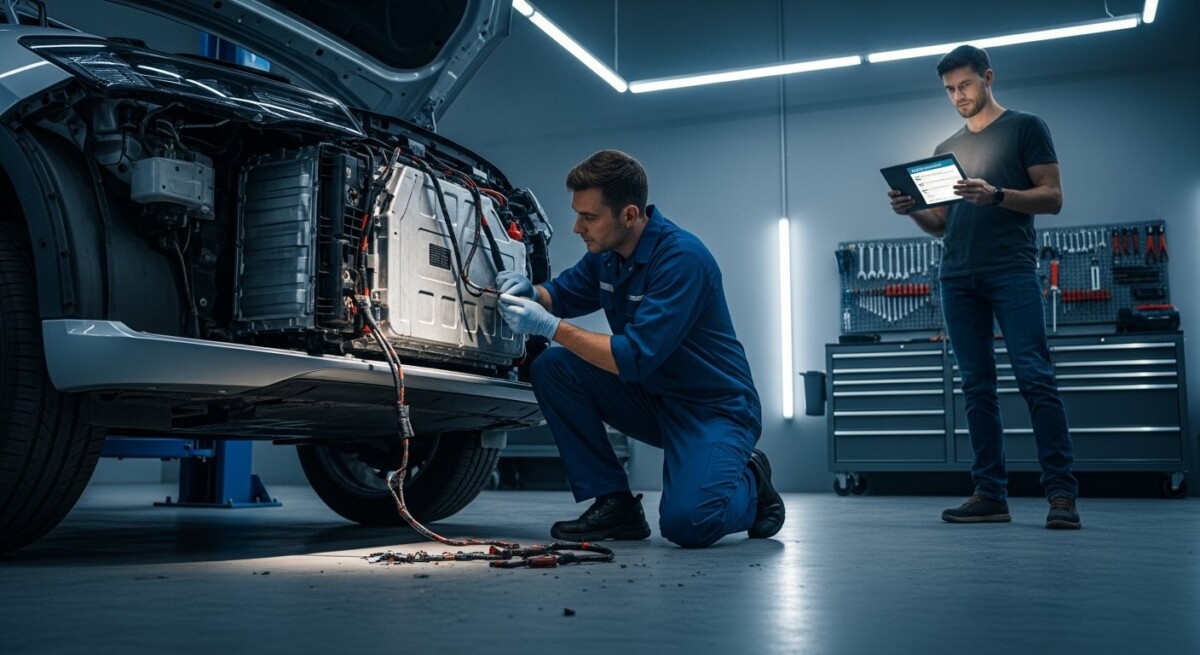
Insurance premiums are based on risk and repair costs, and electric vehicles present a different risk profile than internal combustion engine (ICE) cars. The most significant factor is the battery pack. Replacing a damaged EV battery can cost anywhere from $5,000 to $20,000 or more, depending on the make and model. Insurers factor this high replacement cost into your premium.
Additionally, EVs are typically heavier than their gasoline counterparts, which can lead to more severe damage in collisions. Repair shops that specialize in electric vehicles are still relatively scarce, and their specialized labor rates are higher. Many EVs also use aluminum body panels or advanced composites that are more expensive to repair than traditional steel. Finally, some high-performance electric models have very fast acceleration, which insurers view as a higher accident risk. All these elements combine to make comprehensive and collision coverage more expensive for EV owners.
Key Coverage Considerations for EV Owners
When you request auto insurance quotes for electric cars, you should pay close attention to several coverage types that are especially relevant to electric vehicles. Standard liability and uninsured motorist coverage remain important, but the following areas deserve extra scrutiny.
First, consider gap insurance. Electric vehicles depreciate faster than many gasoline cars, especially in the first few years. If you finance or lease your EV, gap insurance covers the difference between what you owe and the car’s actual cash value if it is totaled. Without it, you could owe thousands of dollars on a car you no longer have.
Second, look for policies that include new car replacement coverage. Some insurers offer this add-on, which replaces your totaled EV with a brand new model of the same make and model, rather than paying out its depreciated value. This can be a lifesaver if your EV is less than two or three years old.
Third, verify that your policy covers the charging equipment. If your home charging station is damaged in a fire or stolen, standard auto insurance may not cover it. Some insurers offer an endorsement for charging equipment, or you might need to add it to your homeowners or renters policy.
Battery and Electrical Component Coverage
The battery pack and electric motor are the most expensive parts of an EV. Standard auto insurance policies typically cover these components under comprehensive and collision coverage, but it is wise to confirm that there are no exclusions for battery degradation or electrical system failures. Most policies do not cover mechanical breakdowns or gradual battery capacity loss, so you may want to consider an extended warranty or a separate mechanical breakdown insurance policy for your EV.
Discounts That Apply Specifically to Electric Vehicles
Although EVs can be more expensive to insure, many insurers offer discounts that help offset the higher premiums. When comparing auto insurance quotes for electric cars, ask about the following potential savings opportunities.
- Green vehicle discount: Some insurers offer a small percentage discount (typically 5 to 10 percent) for driving a hybrid or fully electric vehicle as an incentive for environmentally friendly choices.
- Low-mileage discount: Many EV owners drive fewer miles than average, especially if they use the car primarily for commuting. If you drive fewer than 7,500 to 10,000 miles per year, you may qualify for a low-mileage discount.
- Telematics or usage-based discount: Some insurers offer programs that track your driving habits via a smartphone app or plug-in device. Safe driving habits can earn you significant discounts, and these programs are especially useful for EV owners who drive cautiously.
- Multi-policy discount: Bundling your EV insurance with homeowners or renters insurance can save up to 20 percent on both policies.
Keep in mind that not all insurers offer the same discounts, and the discount amounts vary widely. It is worth getting quotes from at least three to five different companies to compare both the base premium and the available discounts. In our article about auto insurance companies near me, we explain how to find local insurers that specialize in EV coverage.
How to Compare Insurance Quotes for Your EV
Comparing auto insurance quotes for electric cars requires a systematic approach. Follow these steps to ensure you are comparing apples to apples.
- Gather your vehicle details: Have your VIN, model year, trim level, battery capacity, and estimated annual mileage ready. The exact trim matters because higher-performance versions cost more to insure.
- Choose the same coverage limits: Request quotes with identical liability limits, deductibles, and optional coverages. If one quote includes rental car reimbursement and another does not, the comparison will be misleading.
- Ask about EV-specific endorsements: Inquire about coverage for charging equipment, rental coverage while your EV is being repaired, and roadside assistance that includes towing to a certified EV repair shop.
- Check the insurer’s claims reputation: Look up customer reviews and financial strength ratings from agencies like A.M. Best or J.D. Power. A cheap policy is worthless if the insurer delays or denies claims.
- Consider the total cost of ownership: Factor in potential premium increases after your first claim, as well as any deductible you would pay in a collision. Sometimes a slightly higher premium with a lower deductible is more cost-effective over time.
For a deeper look at how insurers handle total loss claims, read our guide on auto insurance companies that replace new cars, which explains the difference between actual cash value and replacement cost coverage.
How Your Driving Habits Affect Your EV Insurance Rate
Insurance companies use your driving record, credit score (in most states), and annual mileage to calculate your premium. For EV owners, the way you charge your vehicle can also influence your rate indirectly. For example, if you charge at home and drive fewer miles, your low-mileage discount may increase. On the other hand, if you use public fast-charging stations frequently, you may be driving longer distances, which could increase your mileage and your premium.
Another factor is where you park your EV. If you park in a garage with a dedicated charging station, your risk of theft or vandalism is lower than if you park on the street. Some insurers ask about parking location and may adjust your comprehensive coverage rate accordingly. If you live in an area prone to flooding or wildfires, your comprehensive premium may be higher because EV batteries can be damaged by water or extreme heat.
The Role of Battery Degradation and Residual Value
One unique concern for EV owners is battery degradation over time. As the battery loses capacity, the car’s resale value drops. However, standard auto insurance policies do not cover gradual battery degradation. If you are leasing your EV, the lease agreement may include a battery health requirement. If the battery degrades beyond a certain threshold, you could be charged a fee at lease-end. To protect yourself, consider purchasing a gap insurance policy that covers the difference between your lease payoff and the car’s actual cash value if the car is totaled or stolen.
If you own your EV outright, you might want to check whether your insurer offers an endorsement for battery replacement in the event of a total loss. Some insurers now offer policies that guarantee a certain residual value for the battery, but these are still rare. For most drivers, the best strategy is to maintain comprehensive and collision coverage with a reasonable deductible and to set aside savings for potential battery-related expenses. Learn more about protecting your investment in our article about auto insurance new car replacement.
Common Mistakes to Avoid When Insuring an Electric Car
Many EV owners make the same errors when shopping for insurance. Being aware of these pitfalls can save you money and frustration.
Mistake 1: Assuming all insurers treat EVs the same. Some insurers have more experience with electric vehicles and offer better rates and specialized coverage. Others treat EVs as high-risk and charge significantly more. Always compare multiple quotes.
Mistake 2: Skipping gap insurance on a financed EV. Because EVs depreciate quickly, you could owe more than the car is worth for the first few years. Gap insurance is relatively cheap and can prevent a financial disaster if your car is totaled.
Mistake 3: Not asking about charging equipment coverage. A home charging station can cost $500 to $2,000 to install. If it is damaged, your auto policy may not cover it. Ask your agent whether you need a separate endorsement or a rider on your homeowners policy.
Mistake 4: Overlooking roadside assistance for EVs. Not all roadside assistance programs have the equipment to tow an electric vehicle safely. Some EVs require a flatbed tow truck to avoid damaging the drivetrain. Confirm that your policy covers the correct type of towing.
For more tips on getting the best value, check out our guide on 10 expert tips for getting the best deal on auto insurance, which includes strategies that apply to both EVs and traditional cars.
Frequently Asked Questions About Electric Car Insurance
Is it more expensive to insure an electric car than a gas car?
On average, yes. Studies show that insuring an EV costs about 10 to 20 percent more than insuring a comparable gasoline vehicle. However, the difference varies by model, insurer, and your personal driving profile. Some luxury EVs are much more expensive to insure, while smaller, lower-cost EVs may be only slightly more.
Do electric cars qualify for any special insurance discounts?
Yes. Many insurers offer green vehicle discounts, low-mileage discounts, and usage-based insurance discounts for EV drivers. Some insurers also offer discounts for installing anti-theft devices that are common in EVs, such as GPS tracking systems.
Does my auto insurance cover the charging cable and charging station?
Standard auto insurance typically covers the charging cable that comes with the vehicle under comprehensive coverage if it is stolen or damaged. However, a permanently installed home charging station is usually not covered by auto insurance. You may need to add it to your homeowners or renters policy, or purchase a separate equipment endorsement.
What happens if my EV battery is damaged in an accident?
If the battery is damaged in a collision, your collision coverage will pay for repairs or replacement, minus your deductible. If the battery is damaged by fire, theft, or a natural disaster, comprehensive coverage applies. Because battery replacement is expensive, your premium may increase after a claim.
Can I insure a used electric car the same way as a new one?
Yes, but you should be aware that battery degradation may affect the car’s value. If you buy a used EV, consider getting a pre-purchase inspection that includes a battery health report. Your insurance premium will be based on the car’s actual cash value, which is lower for a used car, so your premium may be lower than for a new EV.
Getting the right auto insurance quotes for electric cars takes a bit more research, but the effort pays off in lower premiums and better protection. Start by gathering your vehicle information, comparing quotes from multiple insurers, and asking about the EV-specific coverages and discounts discussed above. With careful planning, you can enjoy the benefits of electric driving without overpaying for insurance.