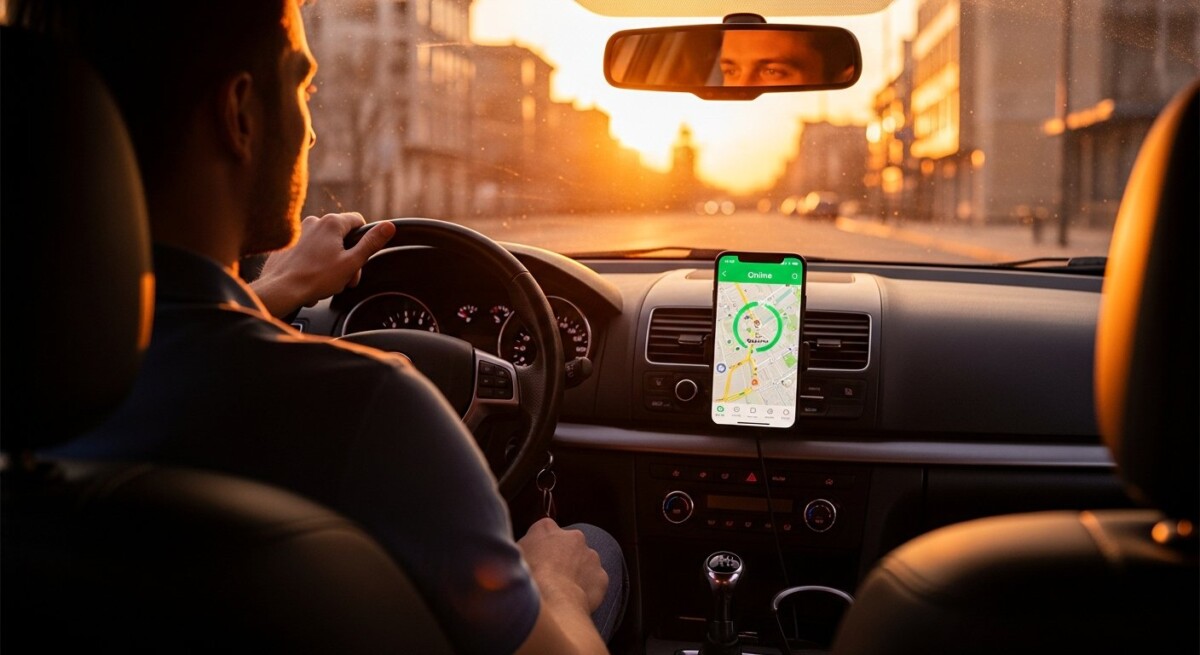
Ride-sharing has transformed how people earn income and move around cities. Whether you drive for Uber, Lyft, or a similar platform, your personal auto insurance policy likely will not cover you when you have passengers in the car. This gap can leave you financially exposed after an accident. Understanding the right ride-sharing insurance options for drivers is essential to protect your income, your vehicle, and your personal assets. This article explains the different coverage types, how they work, and how to choose the best plan for your situation.
Why Personal Auto Insurance Falls Short for Ride-Share Drivers
Standard personal auto insurance policies contain explicit exclusions for commercial activities. When you use your car for ride-sharing, you are operating it for business purposes. Most insurers define this as a material change in risk. If you cause an accident while logged into a ride-sharing app, even without a passenger, your personal policy may deny your claim entirely. This leaves you responsible for damages to your vehicle, medical bills of others, and potential lawsuits.
Some insurers offer a limited endorsement for ride-sharing, but it is not universal. You need to check your policy language carefully. In our guide on 5 Best Low-Cost Car Insurance Options for Military Veterans, we explain how different policies handle business use. The key takeaway is that you should never assume your personal policy covers ride-sharing activity. Always verify with your agent before you start driving for a platform.
Understanding the Three Periods of Ride-Sharing Coverage
Ride-sharing insurance is structured around three distinct periods, or phases, of your driving activity. Each period triggers different levels of coverage from both your personal insurer and the ride-sharing company. Knowing which phase you are in at the time of an accident is critical.
Period 1: App On, No Passenger Accepted
This is the most vulnerable period. You have the ride-sharing app open and are waiting for a ride request. The ride-sharing company typically provides only limited liability coverage during this phase, often the minimum required by state law. Your personal auto insurance may still exclude coverage because you are engaged in a business activity. Many drivers are surprised to learn that their personal policy will not pay for damages to their own vehicle during Period 1. To fill this gap, you need a ride-sharing endorsement or a specialized commercial policy.
Period 2: En Route to Pick Up Passenger
Once you accept a ride request and are driving to the passenger, the ride-sharing company increases its coverage. At this point, the company’s liability policy usually applies with higher limits, and its contingent comprehensive and collision coverage may activate. However, there is often a deductible, usually $1,000 or $2,500, that you must pay before the company’s coverage kicks in. Your personal insurer may still deny your claim if you have not added a ride-sharing endorsement.
Period 3: Passenger in Vehicle
When the passenger is in your car and you are driving to the destination, the ride-sharing company provides its highest level of coverage. This includes liability, uninsured motorist, and contingent comprehensive and collision. Even in Period 3, the company’s coverage is contingent, meaning it only applies if you have a valid personal auto policy with the appropriate endorsements. You must maintain continuous coverage on your own vehicle.
Types of Ride-Sharing Insurance Options for Drivers
There are several ways to obtain proper coverage. Each option has advantages and trade-offs. Below are the most common ride-sharing insurance options for drivers.
- Ride-Sharing Endorsement: Most major insurers like Geico, Progressive, and Allstate offer an add-on to your personal policy. This endorsement fills the gap during Period 1 and reduces your deductible during Periods 2 and 3. It is usually affordable, ranging from $10 to $30 per month.
- Commercial Auto Policy: A full commercial policy provides coverage for all three periods without gaps. It is more expensive but offers broader protection, including higher liability limits and coverage for multiple drivers or vehicles. Some insurers like Farmers and State Farm offer commercial policies tailored for ride-sharing.
- Ride-Sharing Company’s Contingent Coverage: Uber and Lyft provide liability and contingent physical damage coverage, but it is not primary. You must still carry personal insurance, and you may face large deductibles. This option works best when combined with a ride-sharing endorsement.
- Specialty Insurer: Companies like Metromile and Root offer pay-per-mile insurance that includes ride-sharing coverage. These policies base your premium on miles driven, which can save money if you drive part-time.
Each of these ride-sharing insurance options for drivers requires careful comparison. Your choice depends on how often you drive, the value of your car, and your personal risk tolerance. For part-time drivers, a simple endorsement may be enough. Full-time drivers often benefit from a commercial policy.
How to Compare Ride-Sharing Insurance Policies
Comparing policies requires looking beyond the monthly premium. You need to evaluate coverage limits, deductibles, and exclusions. Start by gathering quotes from at least three insurers that offer ride-sharing endorsements or commercial policies. When comparing, focus on these key areas.
First, examine the coverage for Period 1. Some endorsements provide no coverage for your own vehicle during this phase, while others add comprehensive and collision. Second, check the deductible amounts. Ride-sharing deductibles are often higher than your personal policy deductibles. Third, confirm that the policy covers all platforms you drive for. Some policies only cover specific companies like Uber or Lyft, not both.
In our article on Cheap Car Insurance Options: Find the Best Deals, we discuss how to balance cost with coverage. The same principles apply here. Do not choose the cheapest policy if it leaves you exposed during Period 1. A slightly higher premium for a ride-sharing endorsement can save you thousands of dollars after a claim.
State Requirements and Legal Considerations
Ride-sharing insurance requirements vary by state. Some states, like California and Colorado, mandate that ride-sharing companies provide coverage during all three periods. Others, like Texas and Florida, require drivers to carry their own ride-sharing endorsement. You must know your state’s specific laws to avoid fines and coverage gaps.
If you drive in multiple states, you need a policy that covers you in all jurisdictions. Many standard ride-sharing endorsements only apply within the state where your policy is issued. Check with your insurer about multi-state coverage. For a deeper dive into comparing policies across states, see How to Compare Affordable Car Insurance Options in 2026.
Another legal consideration is the definition of “livery” or “transportation network company” (TNC) in your state. Some insurers exclude coverage if you are found to be operating outside the TNC’s terms of service. Always keep your app updated and follow the platform’s rules to maintain coverage.
Common Mistakes Ride-Share Drivers Make
Many drivers assume that because they have personal insurance, they are covered. This is the most dangerous mistake. Another common error is failing to notify your insurer when you start ride-sharing. Even if you do not add an endorsement, you must inform your insurer. If they discover your activity after a claim, they may cancel your policy or deny coverage retroactively.
Some drivers rely solely on the ride-sharing company’s coverage. While the company’s policy provides basic protection, it often has exclusions for personal belongings, towing, and rental cars. If a passenger damages your interior or steals an item, the company’s policy will not cover it. You need your own comprehensive coverage for those situations.
Finally, some drivers forget to update their policy after changing vehicles or driving frequency. If you start driving full-time, your part-time endorsement may no longer be adequate. Review your coverage every six months or whenever your driving habits change. For more on matching coverage to your specific vehicle, refer to How to Pick the Best Comprehensive Car Insurance Options.
Frequently Asked Questions
Do I need special insurance to drive for Uber or Lyft? Yes, you need at least a ride-sharing endorsement on your personal policy or a commercial auto policy. Personal policies alone do not cover ride-sharing activity.
How much does ride-sharing insurance cost? A ride-sharing endorsement typically costs between $10 and $30 per month added to your existing premium. A full commercial policy can cost $100 to $300 per month depending on your driving history and vehicle.
Does my personal insurance cover me if I am not carrying a passenger? Generally, no. During Period 1 (app on, waiting for a request), most personal policies exclude coverage. You need a ride-sharing endorsement to close this gap.
Can I use my personal insurance for food delivery only? It depends on the insurer. Some policies exclude all commercial activity, including food delivery. Check with your agent. Many insurers now offer separate endorsements for delivery drivers.
What happens if I get into an accident and my insurance denies my claim? You could be personally liable for all damages, medical bills, and legal costs. You may also face cancellation of your policy and difficulty obtaining insurance in the future. That is why proper coverage is essential before you start driving.
Choosing the right ride-sharing insurance options for drivers requires research and honest communication with your insurer. Do not rely on assumptions. Verify your coverage in writing before you accept your first ride. The peace of mind is worth the small additional cost.