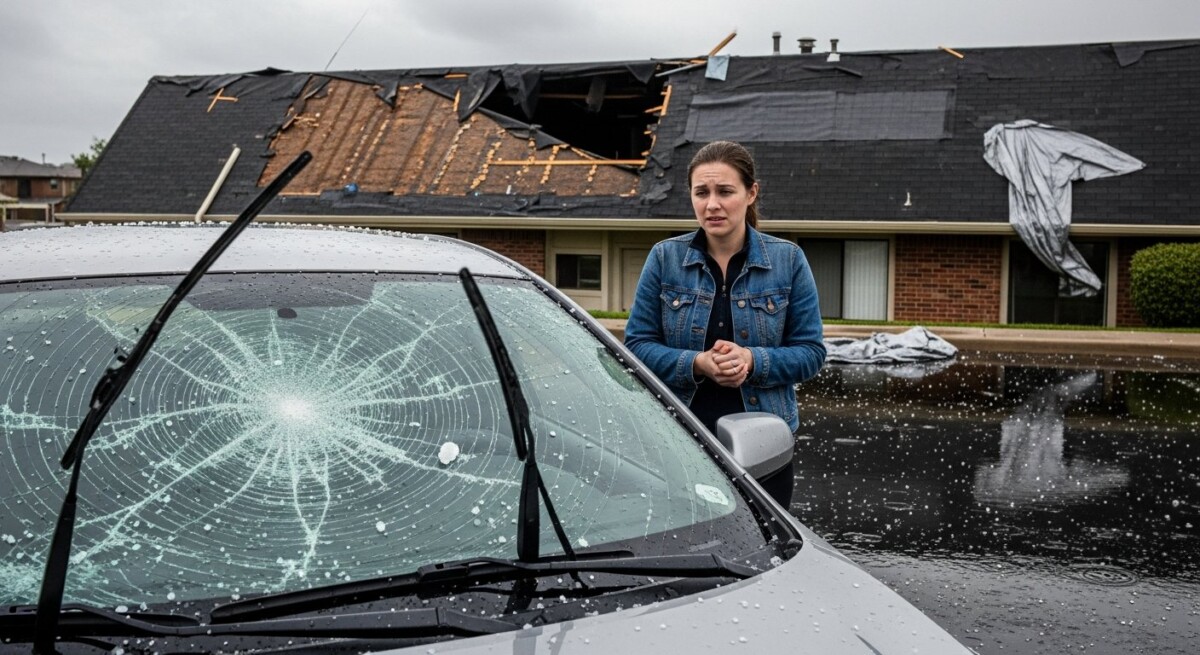
Imagine this: you are driving home from work, and a sudden hailstorm damages both your car and your rental apartment’s roof. Your auto policy might cover the car, but what about the roof? This scenario highlights a critical gap that many people overlook. Whether you rent or own your home, your auto insurance policy does not exist in a vacuum. It interacts with your renters or homeowners coverage in ways that can either protect you or leave you exposed. Understanding how these policies work together is essential for avoiding costly surprises.
Many drivers assume that their auto insurance covers everything related to their vehicle, while their home or renters policy covers everything inside their dwelling. In reality, the lines can blur. For example, if someone steals your laptop from your car, which policy pays? The answer depends on where the theft occurred and what coverage you have. This article will clarify the connections between auto insurance for renters and homeowners, helping you build a cohesive protection plan that saves money and reduces stress.
Why Auto Insurance and Homeowners or Renters Policies Overlap
Insurance companies design policies to complement one another, but gaps often appear at the edges. For renters and homeowners, the most common overlap involves liability coverage. If a guest slips on your icy driveway and sues you, your homeowners or renters liability coverage typically responds. However, if that same guest is injured in your car, your auto liability coverage takes the lead. Understanding these boundaries prevents double-paying for coverage you already have or discovering a gap when you need it most.
Another overlap involves personal property. Your car insurance covers items permanently attached to the vehicle, like a stereo system or custom rims. But personal belongings inside the car, such as a gym bag, a laptop, or a child’s car seat, are usually covered under your renters or homeowners policy, subject to your deductible and limits. This means that if you are a renter with a high deductible on your renters insurance, a small theft from your car might not be worth filing a claim. Knowing this can help you decide whether to adjust your deductibles or add endorsements for better protection.
Key Differences Between Renters and Homeowners Insurance
While both renters and homeowners policies cover personal property and liability, there are important distinctions that affect your auto insurance strategy. Homeowners insurance includes dwelling coverage for the structure of your home, which is irrelevant for renters. However, both types of policies typically provide loss of use coverage, which helps pay for temporary housing if your home becomes uninhabitable due to a covered event. This can be critical if a fire forces you out of your apartment or house, and you need to park your car elsewhere.
Another difference is how each policy handles liability. Homeowners policies often include higher default liability limits than renters policies, but you can usually increase limits on either type. If you own a home and have significant assets, you may want higher liability limits on both your auto and homeowners policies. For renters, liability coverage is still important, especially if you frequently host guests or have a dog. A single liability claim can exceed your savings, making umbrella insurance a smart addition for both groups.
How Deductibles and Limits Affect Your Claims
Your auto insurance deductible applies when you file a claim for vehicle damage or theft. Your renters or homeowners deductible applies when you file a claim for personal property or dwelling damage. If a single incident, like a car accident that damages your garage, triggers both policies, you will need to satisfy two deductibles. This can be expensive, so consider aligning your deductibles across policies if possible. For example, setting both auto and home deductibles at $1,000 can simplify budgeting and avoid confusion.
Limits are equally important. Your auto policy has limits for liability, comprehensive, collision, and medical payments. Your renters or homeowners policy has limits for personal property, liability, and additional living expenses. If you have expensive items like jewelry, art, or electronics, your standard policy may not cover them fully. You can add scheduled personal property endorsements to either policy, but it is often more cost-effective to add them to your home or renters policy. Review your coverage limits annually, especially after major purchases or life changes.
Bundling Auto Insurance with Renters or Homeowners
One of the most effective ways to save money and simplify your insurance is to bundle your auto insurance with your renters or homeowners policy from the same company. Most insurers offer multi-policy discounts that can reduce your premium by 10% to 25%. For example, if you are a renter paying $120 per month for auto insurance and $15 per month for renters insurance, a 15% bundle discount could save you over $200 per year. Homeowners can achieve even greater savings because their premiums are higher.
Beyond discounts, bundling makes claims easier. When a single event, like a burglary that also damages your car, affects both policies, having the same insurer means one point of contact. The claims adjuster can coordinate between your auto and home policies, reducing paperwork and speeding up the process. However, bundling is not always the best choice. If one insurer offers excellent auto rates but mediocre home rates, you might be better off keeping them separate. Always compare standalone quotes against bundle quotes to ensure you are getting the best deal.
For a deeper look at how to find the most competitive rates, read our guide on 10 Expert Tips for Getting the Best Deal on Auto Insurance. This resource breaks down strategies for comparing quotes and leveraging discounts.
Common Coverage Gaps for Renters and Homeowners
Even with bundled policies, gaps can exist. Here are three common gaps that affect auto insurance for renters and homeowners:
- Rental car coverage: Your auto policy may include rental car reimbursement, but it usually covers a replacement vehicle while your car is being repaired after a claim. It does not cover a rental car if you are on vacation and your car is at home. Your renters or homeowners policy does not cover rental cars either. For full protection, consider adding rental car coverage to your auto policy or purchasing a standalone rental car insurance policy.
- Towing and roadside assistance: Many auto policies offer towing and roadside assistance as an add-on. However, if you have a roadside assistance plan through your credit card or auto club, you may be paying for duplicate coverage. Review your existing benefits before adding this to your auto policy.
- Natural disasters and floods: Standard auto insurance covers flood damage under comprehensive coverage, but standard renters and homeowners policies do not cover flood damage to your home or belongings. If you live in a flood-prone area, you need separate flood insurance through the National Flood Insurance Program or a private insurer.
Addressing these gaps often requires adding endorsements or separate policies. For example, if you frequently drive for rideshare services like Uber or Lyft, your personal auto policy may not cover you while you are logged into the app. You would need rideshare coverage, which some insurers offer as an add-on. Similarly, if you run a home-based business, your homeowners policy may not cover business equipment or liability. A business owner’s policy or in-home business endorsement can fill that gap.
How Liability Coverage Protects Your Assets
Liability coverage is the most critical component of both your auto and homeowners or renters policies. It pays for legal defense and settlements if you are found responsible for injuring someone or damaging their property. For auto insurance, liability limits are typically expressed as three numbers, such as 100/300/100, meaning $100,000 per person for bodily injury, $300,000 per accident, and $100,000 for property damage. For homeowners or renters, liability limits are usually a single amount, such as $300,000.
If you have significant savings, investments, or a home, your assets could be at risk in a lawsuit. A single auto accident with serious injuries can easily exceed standard liability limits. To protect yourself, consider purchasing an umbrella insurance policy, which provides an additional layer of liability coverage above your auto and home policies. Umbrella policies typically start at $1 million and are relatively inexpensive, often costing $150 to $300 per year. Both renters and homeowners can benefit from umbrella coverage, especially if they have a high net worth or engage in activities that increase liability risk, such as hosting parties or coaching youth sports.
Our article on 1st Auto Insurance: Lower Your Monthly Payments Now offers practical advice for reducing premiums without sacrificing liability protection. It covers strategies like raising deductibles and taking advantage of low-mileage discounts.
Medical Payments and Personal Injury Protection
Medical payments coverage (MedPay) and personal injury protection (PIP) are optional auto insurance coverages that pay for medical expenses after an accident, regardless of who is at fault. MedPay is available in most states, while PIP is required in no-fault states. These coverages can be especially useful for renters and homeowners who do not have health insurance or have high deductibles. They also cover passengers in your vehicle, which can prevent them from suing you.
Does your health insurance or renters/homeowners policy also cover accident-related injuries? Health insurance typically pays after auto insurance exhausts its limits. Renters and homeowners policies do not cover medical expenses from auto accidents. Therefore, having adequate MedPay or PIP on your auto policy is crucial. If you are a renter with a high-deductible health plan, consider increasing your MedPay limit to $5,000 or $10,000. This can cover emergency room visits and follow-up care without draining your savings.
When to Review and Update Your Policies
Life changes trigger the need for policy reviews. If you move from renting to homeownership, or vice versa, your insurance needs shift dramatically. Homeowners insurance typically costs more than renters insurance because it covers the structure, but it also offers more opportunities for discounts, such as bundling with auto insurance. When you buy a home, update your auto insurance to reflect your new garage location, as rates vary by zip code. Also, consider increasing your liability limits to protect your new asset.
Other events that warrant a review include getting married, adding a teen driver to your policy, purchasing a new vehicle, starting a home business, or acquiring valuable personal property like jewelry or collectibles. Each of these events can affect your coverage needs and premium costs. Set a reminder to review your policies every 12 months, even if nothing changes. Insurance companies adjust rates annually, so comparing quotes can help you find savings.
For drivers with less-than-perfect credit, our guide on 5 Best Auto Insurance for Bad Credit Drivers in 2026 provides insights into insurers that offer competitive rates regardless of credit history. This is especially relevant for renters, who may not have the same financial stability as homeowners.
Frequently Asked Questions
Does my renters insurance cover my car?
No, renters insurance does not cover damage to your car. Your auto insurance policy covers your vehicle. However, renters insurance covers personal belongings inside your car, such as a laptop or phone, subject to your deductible and policy limits.
Can I bundle auto insurance with renters insurance?
Yes, many insurers offer multi-policy discounts when you bundle auto and renters insurance. This can save you 10% to 25% on premiums and simplify claims. Always compare bundle quotes with separate policies to ensure you are getting the best rate.
Do I need umbrella insurance if I rent?
It depends on your assets and liability exposure. If you have significant savings or investments, or if you frequently host guests, umbrella insurance can provide extra liability protection above your auto and renters policies. It is relatively inexpensive and worth considering.
How does a car accident affect my homeowners insurance premium?
A car accident typically does not affect your homeowners insurance premium because they are separate policies with different risk pools. However, if you file a liability claim that involves both policies, such as a guest injured on your property after a car crash, your rates could increase. Bundling with the same insurer may also mean that a claim on one policy affects the other.
What happens if my car is stolen while parked at my rental home?
Your auto insurance comprehensive coverage pays for the theft of your car, minus your deductible. Your renters insurance does not cover the vehicle itself, but it may cover personal items stolen from inside the car. If you have rental reimbursement coverage on your auto policy, it can also help pay for a rental car while you wait for a settlement.
Final Thoughts on Protecting Your Vehicle and Home
Understanding the relationship between auto insurance for renters and homeowners is not just about saving money. It is about ensuring that when life throws an unexpected event your way, you have the right coverage in place. By reviewing your policies, bundling where it makes sense, and filling gaps with endorsements like umbrella coverage, you can create a safety net that protects your car, your belongings, and your financial future. Start by requesting quotes from multiple insurers and comparing coverage details, not just prices. A few hours of research today can prevent thousands of dollars in out-of-pocket costs tomorrow.
For more information on factors that influence your premiums, check out our article on 5 Factors That Directly Affect Your Auto Insurance Rates. It explains how your driving record, location, and coverage choices impact what you pay.