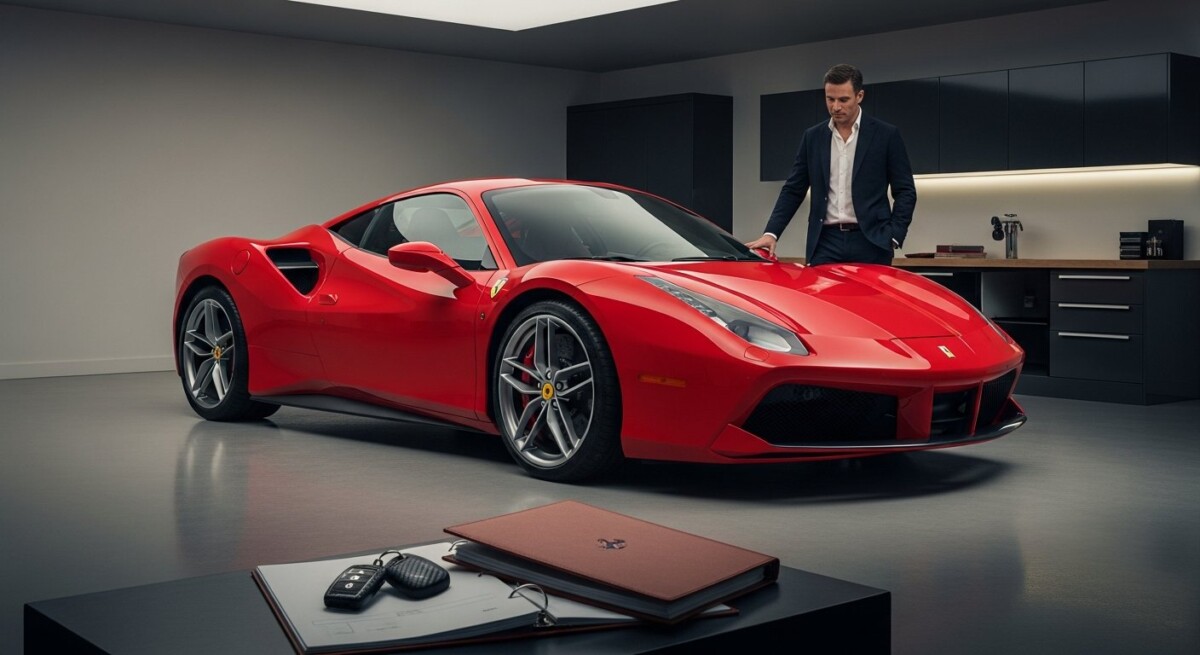
Owning a high-value vehicle is a significant achievement, but it also comes with unique risks and responsibilities. Standard auto insurance policies often fall short when protecting a luxury car, exotic sports car, or custom collector vehicle. If you drive a vehicle worth more than the average sedan, you need a specialized approach to coverage. This article explains how insurance for high-value vehicles differs from standard policies and what you must consider to secure the right protection.
What Defines a High-Value Vehicle?
An insurer typically classifies a vehicle as high-value when its market value exceeds a certain threshold, often $50,000 or more. However, the definition varies by carrier. High-value vehicles include luxury sedans (like a Mercedes-Benz S-Class), exotic sports cars (such as a Ferrari or Lamborghini), high-end SUVs (like a Range Rover Autobiography), and rare collector cars. These vehicles cost more to repair or replace due to specialized parts, advanced technology, and limited availability of certified technicians. Because of these factors, standard auto insurance policies may not provide adequate coverage limits or claim settlement methods.
Key Differences in Coverage for High-Value Vehicles
Insurance for high-value vehicles is not simply a standard policy with higher limits. It involves distinct coverage features and underwriting criteria. Understanding these differences helps you avoid being underinsured or overpaying for unnecessary coverage.
Agreed Value vs. Actual Cash Value
A critical distinction is how the insurer pays a total loss claim. Standard policies use actual cash value (ACV), which deducts depreciation from the vehicle’s original purchase price. For a high-value vehicle, ACV can lead to a significant shortfall if the car is totaled. In contrast, many specialty insurers offer agreed value coverage. With agreed value, you and the insurer agree on the vehicle’s worth when the policy is written. If the car is totaled, you receive that full agreed amount, minus any deductible. This feature is essential for collector cars and rapidly depreciating luxury models.
Specialized Repair and Parts Provisions
High-value vehicles often require original equipment manufacturer (OEM) parts and certified repair shops. Standard policies may allow the insurer to use aftermarket or salvaged parts to reduce costs. A high-value auto insurance policy should include a clause that mandates OEM parts for all repairs. Additionally, look for a policy that lets you choose your own repair facility, preferably one that specializes in your vehicle’s brand. Some insurers maintain networks of approved high-end repair centers to ensure quality workmanship.
Higher Liability and Medical Coverage Limits
Drivers of expensive vehicles often face higher liability risks. If you cause an accident, the cost of injuries or property damage to others can be substantial. Standard liability limits (like $25,000 per person) may not be enough. Insurance for high-value vehicles typically recommends liability limits of at least $250,000 per person and $500,000 per accident, with an umbrella policy for additional protection. Medical payments or personal injury protection should also be robust to cover injuries to you and your passengers.
Factors That Influence Premiums for High-Value Vehicles
Several factors affect the cost of insuring a high-value vehicle. Understanding these can help you manage your premium while maintaining strong coverage.
- Vehicle value and rarity: Higher values and limited production numbers increase replacement cost and repair complexity.
- Driving history and usage: Insurers review your driving record and how often you drive the vehicle. Low annual mileage (under 5,000 miles) often qualifies for lower rates.
- Storage and security: A locked garage, GPS tracking device, and anti-theft system reduce risk and can lower premiums.
- Claim history: A history of claims on any vehicle can raise your rates for a high-value policy.
Many specialty insurers offer discounts for completing advanced driving courses or installing vehicle immobilizers. Compare quotes from multiple carriers to find the best balance of price and coverage for your specific vehicle.
Common Exclusions and Gaps to Watch For
Even the best insurance for high-value vehicles can have exclusions that leave you exposed. Carefully review your policy for the following potential gaps:
First, track day or racing exclusions. If you plan to drive your high-performance car on a racetrack, even for a non-competitive event, standard policies often exclude coverage. You may need a separate track day insurance policy. Second, coverage for custom parts and modifications. If you have added aftermarket wheels, a supercharger, or custom interior work, ensure the policy covers those additions at their full value. Finally, roadside assistance limits. Some luxury vehicle policies include premium roadside assistance, but others offer only basic towing. Confirm that the service matches your expectations, such as flatbed towing for low-clearance vehicles.
For a deeper understanding of why your rates might be higher than expected, read our guide on 10 reasons why my car insurance is high. This resource explains common factors that influence premiums across all vehicle types.
How to Choose the Right Insurer for Your High-Value Vehicle
Not all auto insurance companies specialize in high-value vehicles. When shopping for coverage, focus on insurers with a strong reputation in the luxury and exotic car market. Look for companies that offer agreed value policies, OEM parts guarantees, and dedicated claims adjusters who understand high-end vehicles. You can also consider using an independent agent who works with multiple specialty carriers. They can compare policies and recommend the best fit for your specific vehicle and driving habits.
Steps to Get the Best Rate on High-Value Auto Insurance
Securing affordable insurance for high-value vehicles requires a strategic approach. Follow these steps to optimize your premium without sacrificing coverage.
First, get multiple quotes from at least three specialty insurers. Each company weighs risk factors differently, so prices can vary significantly. Second, maintain a clean driving record. Speeding tickets and at-fault accidents can increase your premium by 20-40 percent. Third, consider increasing your deductible. A higher deductible (like $2,500 instead of $1,000) can lower your annual premium, but ensure you can afford the out-of-pocket cost in a claim. Fourth, bundle your high-value vehicle policy with your homeowners or umbrella insurance for a multi-policy discount. Finally, review your coverage annually. Vehicle values can fluctuate, especially for collector cars. Adjust your agreed value if the market changes.
Frequently Asked Questions
Do I need a separate policy for my high-value vehicle?
In most cases, yes. While you can sometimes add a high-value vehicle to a standard policy, the coverage limits and claim settlement methods are often inadequate. A separate specialty policy provides agreed value, OEM parts, and higher liability limits tailored to your vehicle.
Can I drive my high-value vehicle daily?
Some specialty insurers limit annual mileage to keep premiums lower. If you drive your car daily, look for a policy that allows higher mileage or offers a daily driver option. Be honest about usage to avoid claim denials.
What happens if I modify my high-value vehicle?
Modifications can affect your coverage. Always notify your insurer before making changes. Some modifications may increase your premium, while others (like security upgrades) could lower it. Unreported modifications could lead to a claim being denied or coverage reduced.
Is agreed value coverage worth the extra cost?
For vehicles that depreciate slowly or appreciate over time, agreed value is highly valuable. It guarantees you receive a predetermined amount in a total loss, avoiding depreciation disputes. For rapidly depreciating luxury cars, the benefit is smaller but still provides certainty.
Final Thoughts on Protecting Your Investment
Proper insurance for high-value vehicles is not a luxury but a necessity. It protects your financial investment and gives you peace of mind when you drive or store your prized car. By choosing a specialty policy with agreed value, OEM parts coverage, and high liability limits, you can drive with confidence. Review your coverage regularly and compare options to ensure you are not overpaying. If you have questions about your specific vehicle, consult with an independent agent who specializes in high-value auto insurance. For more insights on managing insurance costs across different vehicle types, explore our detailed analysis on why your car insurance may be high and how to address it.