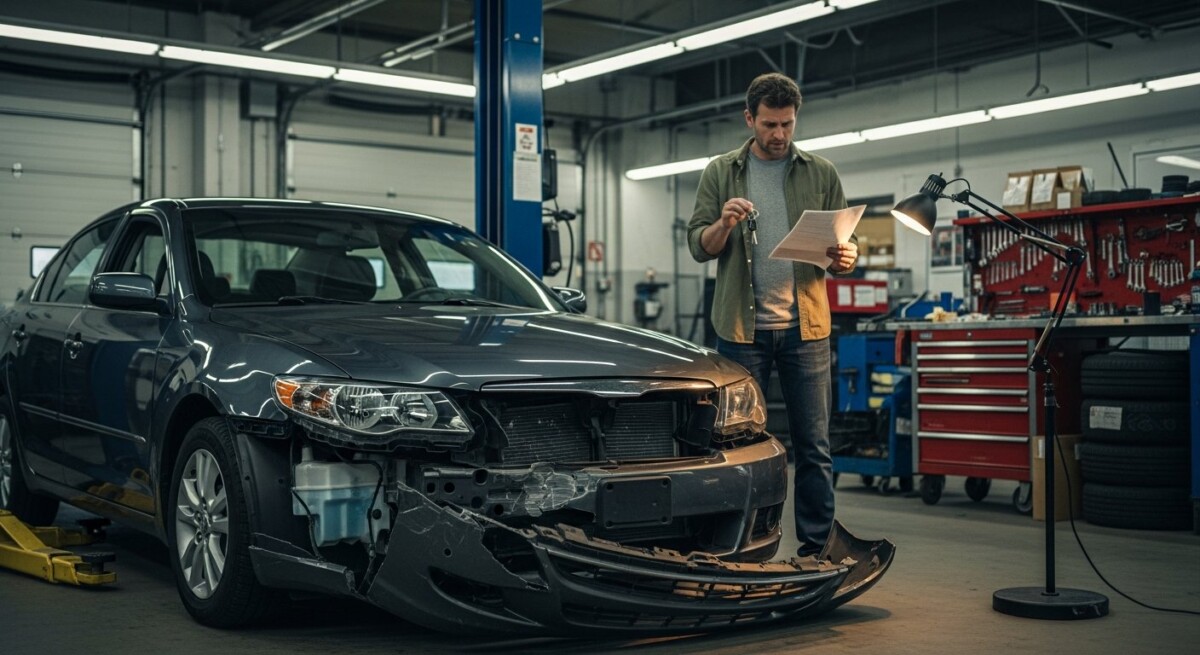
Imagine this: you are in a car accident that is not your fault. Your vehicle is badly damaged and will be in the shop for three weeks. You are relieved that your insurance will cover the repairs, but then reality sets in. How do you get to work? How do you pick up your kids from school? How do you run errands? Without a rental car, everyday life grinds to a halt. This is the exact scenario that makes car insurance with loss of use coverage so valuable. It is a small add-on that can save you hundreds or even thousands of dollars in out-of-pocket transportation costs after a covered accident.
Loss of use coverage, often called rental reimbursement, pays for a temporary replacement vehicle while your car is being repaired after a covered claim. Many drivers assume their standard policy includes this benefit, but that is usually not the case. In fact, most basic liability or collision policies do not automatically cover a rental car. You have to specifically request this coverage and pay a small additional premium. For the peace of mind and financial protection it provides, it is one of the most cost-effective endorsements you can add to your policy.
In this article, we will break down exactly how loss of use coverage works, what it costs, who needs it most, and how to file a claim. We will also answer common questions so you can decide if this coverage is right for you. If you are looking to find affordable car insurance options, understanding add-ons like this is a critical step toward building a policy that truly protects you.
What Is Loss of Use Coverage in Car Insurance?
Loss of use coverage is an optional endorsement that pays for a rental car or alternative transportation when your insured vehicle is in the shop due to a covered loss. The term “loss of use” refers to the fact that you are temporarily without the use of your car. The insurance company compensates you for this inconvenience by covering the cost of a rental vehicle up to a daily limit and a maximum total amount.
For example, your policy might provide $40 per day for rental reimbursement up to a maximum of $1,200. If your car takes 20 days to repair at $40 per day, the total would be $800, which falls within your limit. If repairs take 40 days, the cost would be $1,600, but your insurance would only pay $1,200 (or 30 days worth). You would be responsible for the difference beyond that limit.
It is important to note that loss of use coverage applies only to covered claims. If you cause an accident and your policy covers the damage, the rental benefit kicks in. However, if you are at fault and do not have collision coverage, your insurer will not pay for your car repairs, and therefore will not provide a rental car either. Similarly, if your car is stolen and you have comprehensive coverage, loss of use can pay for a rental while the police search for your vehicle or while your claim is being processed.
How Loss of Use Coverage Differs from Other Rental Car Options
Many drivers confuse loss of use coverage with other types of rental car insurance. Understanding the difference is essential to avoid buying duplicate coverage or leaving yourself exposed. Here is a breakdown of the three main types of rental car protection:
- Rental Reimbursement (Loss of Use): This is part of your personal auto policy. It pays for a rental car when your own vehicle is being repaired after a covered claim. It does not cover rentals for vacations or business trips.
- Rental Car Company Insurance (Loss Damage Waiver): When you rent a car from an agency, they offer a Loss Damage Waiver (LDW) or Collision Damage Waiver (CDW). This waives your financial responsibility if the rental car is damaged or stolen. It is a separate product from personal loss of use coverage.
- Credit Card Rental Insurance: Many premium credit cards offer secondary rental car insurance when you use the card to pay for the rental. This typically covers damage to the rental car but not loss of use charges or administrative fees charged by the rental company.
If you have loss of use coverage on your personal auto policy, it generally does not extend to rental cars you drive on vacation. However, if your personal car is in the shop and you need a rental, your loss of use coverage applies. Some policies also cover loss of use charges if you are in an accident while driving a rental car, but this varies by insurer. Always read your policy language carefully.
Who Should Buy Loss of Use Coverage?
Loss of use coverage is not required by law, but it is highly recommended for certain drivers. If you rely on your car for daily commuting, school drop-offs, or essential errands, losing access to it for even a few days can be a major disruption. Without this coverage, you would have to pay for a rental car out of pocket, borrow a vehicle from a friend, or rely on public transportation and ride-sharing services.
Consider these scenarios where loss of use coverage is especially valuable:
- Single-vehicle households: If you are the only driver in your home and you have no backup car, a rental reimbursement policy is almost a necessity.
- Long commutes: Drivers who travel 30 miles or more each way to work will find it difficult to use public transit or ride-sharing for an extended period.
- Limited public transportation: If you live in a suburban or rural area without reliable bus or train service, losing your car can be paralyzing.
- Frequent long-distance travel: If your job requires you to drive to multiple locations each day, a rental car is not a luxury; it is a requirement.
On the other hand, if you have a second vehicle in your household that you can use while your primary car is being repaired, or if you live in a dense urban area with excellent public transit, you might decide to skip this coverage. However, the premium is usually very low (often $3 to $10 per month), so even occasional use can be worth the cost.
What Does Loss of Use Coverage Typically Cost?
The cost of adding loss of use coverage to your policy is surprisingly affordable. On average, drivers pay between $3 and $10 per month for rental reimbursement coverage. The exact price depends on your insurer, your state, your driving record, and the coverage limits you choose. For example, a policy with a $30 daily limit and a $900 maximum will cost less than one with a $50 daily limit and a $1,500 maximum.
To put this in perspective, paying $5 per month for loss of use coverage amounts to just $60 per year. If you ever need a rental car for 10 days at $40 per day, that is $400 in savings. Over the course of a few years, the coverage pays for itself many times over. If you are on a tight budget, you can keep the daily limit low and still have a safety net.
When comparing policies, look at both the daily limit and the maximum number of days covered. Some insurers offer unlimited rental days up to a certain dollar amount, while others cap both the daily rate and the total payout. Choose limits that match the cost of rental cars in your area. In most regions, a midsize sedan rents for $35 to $50 per day, so a $40 daily limit is usually sufficient.
How to File a Loss of Use Claim
Filing a claim for loss of use coverage is straightforward, but there are a few steps you should follow to ensure a smooth process. The key is to coordinate with your insurance adjuster and the repair shop so that the rental car is available when you need it. Here is a step-by-step guide:
- Report the claim immediately: As soon as you have an accident or discover damage, call your insurance company to start the claims process. Tell them you need a rental car and ask if your policy includes loss of use coverage.
- Get a claim number: Your adjuster will assign a claim number and provide instructions on how to proceed. They may direct you to a specific rental car company that has a direct billing agreement with your insurer.
- Arrange the rental: Contact the rental agency and provide your claim number. The rental company will bill your insurer directly up to your daily and total limits. You may need to pay a deposit or provide a credit card for incidentals like fuel or additional insurance.
- Keep the rental during repairs: Your rental coverage typically starts on the day your car enters the repair shop and ends when repairs are complete. If there are delays due to parts availability or shop capacity, your coverage may extend, but you should confirm this with your adjuster.
- Return the rental promptly: Once your car is ready, return the rental vehicle on the same day. If you keep the rental longer, you will have to pay the additional days out of pocket.
One common mistake is assuming the rental coverage starts on the day of the accident. In most cases, it begins when the car is delivered to the repair facility. If you wait a few days to schedule the repair, you will not have rental coverage for that gap. Plan accordingly to maximize your benefit.
Common Exclusions and Limitations
While loss of use coverage is valuable, it is not without limitations. Understanding the exclusions can help you avoid surprises. Here are the most common restrictions:
- Only applies to covered claims: If your claim is denied (for example, because the damage is not covered by your policy), loss of use coverage will not pay for a rental.
- Daily and total caps: Most policies have a maximum daily amount (e.g., $30 per day) and a maximum total payout (e.g., $900). If your rental costs exceed these limits, you pay the difference.
- No retroactive coverage: If you add loss of use coverage to your policy after an accident, it will not cover that accident. You must have the coverage in place before the loss occurs.
- Excludes maintenance or wear and tear: If your car is in the shop for routine maintenance, tire replacement, or mechanical issues not related to a covered claim, loss of use does not apply.
- Geographic restrictions: Some policies only cover rentals within the United States and Canada. If you are traveling abroad, check your policy before relying on this coverage.
To avoid these pitfalls, familiarize yourself with key insurance terms like daily limit, aggregate limit, and covered loss. This knowledge will help you choose the right coverage and file claims with confidence.
Loss of Use Coverage vs. Transportation Expense Coverage
Some insurers offer a slightly different product called transportation expense coverage. While similar, there are subtle differences. Transportation expense coverage may include not just rental cars but also ride-sharing services like Uber or Lyft, taxis, and public transit fares. Loss of use coverage typically limits reimbursement to a rental car from a traditional agency.
If you do not drive or prefer not to rent a car, transportation expense coverage might be a better fit. However, it often has lower daily limits (e.g., $20 per day) because the assumption is that you will use cheaper alternatives. Evaluate your personal transportation habits before deciding which option suits you best.
For most drivers, standard loss of use coverage provides the most flexibility. You can rent a car that matches your needs, whether that is a compact for short trips or an SUV for a family. Just be sure to choose a rental car within your daily limit to avoid unexpected bills.
Frequently Asked Questions
Is loss of use coverage required by law?
No, loss of use coverage is optional in all states. However, if you finance or lease your vehicle, the lender may require you to carry rental reimbursement as part of your gap coverage or comprehensive/collision policy.
Can I add loss of use coverage after an accident?
No. You must have the coverage in place before the accident occurs. Adding it after a claim will not help with that specific incident. Review your policy at renewal and add it if you do not already have it.
Does loss of use coverage cover a rental car if I am on vacation?
Generally, no. Loss of use coverage only applies when your own insured vehicle is being repaired due to a covered claim. It does not provide a rental car for personal travel. For vacation rentals, you would need a separate rental car insurance policy or rely on credit card benefits.
How do I know if I already have this coverage?
Check your policy declarations page. Look for terms like “rental reimbursement,” “transportation expense,” or “loss of use.” If you do not see it listed, call your agent or insurance company to ask about adding it.
Will my premium increase if I file a loss of use claim?
Filing a loss of use claim is usually tied to an underlying claim for damage to your vehicle. If you file a claim for collision or comprehensive damage, your rates may increase at renewal. However, the loss of use portion itself does not typically trigger a separate surcharge. The rate increase depends on your insurer’s guidelines and your claims history.
Make an Informed Decision About Your Coverage
Loss of use coverage is one of the most affordable and practical add-ons you can include in your auto insurance policy. For a few dollars a month, you gain the ability to maintain your daily routine even after an accident. Without it, you could face hundreds of dollars in unexpected rental costs or be forced to rely on friends and family for transportation.
Before you decide, compare the cost of adding this coverage against the potential out-of-pocket expense of renting a car for one or two weeks. If you live in an area where rental cars are expensive or if you have a long commute, the math almost always favors buying the coverage. If you are already shopping for a policy, ask your agent to include loss of use coverage in your quote. Many insurers offer it as a simple checkbox on their online quote forms.
Remember that having the right coverage is only half the battle. You also need to understand the three main types of car insurance and how they work together to protect you. Loss of use is a supporting player, but it can make a critical difference when you are stranded without a car. Take a few minutes to review your current policy or request a new quote today. If you need personalized assistance, call us at 833-214-7506 to speak with a licensed agent who can help you find the best coverage for your situation.
Protecting your mobility is just as important as protecting your vehicle. With loss of use coverage, you ensure that an accident does not derail your entire life. It is a small investment that pays big dividends when you need it most.