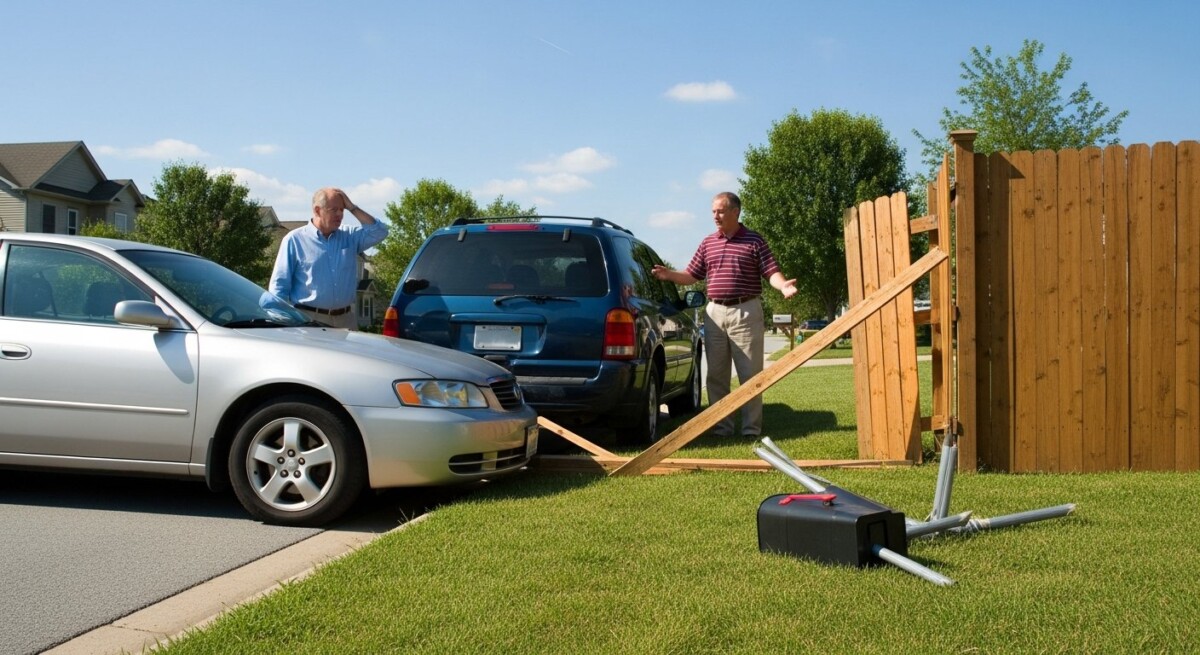
Imagine you are driving home after a long day, and a moment of distraction leads to a collision. Your car is damaged, and you soon learn that you also struck a neighbor’s fence. In that instant, the question of how your insurance will respond becomes urgent. Understanding the specifics of coverage for auto accidents and property damage is not just about reading a policy document; it is about protecting your financial future. This guide breaks down how liability, collision, and comprehensive coverages work together to shield you from the costs of vehicle damage and harm to others’ property.
Understanding Liability Coverage for Property Damage
Property damage liability is a cornerstone of any auto insurance policy. It pays for damage you cause to someone else’s property when you are at fault in an accident. This includes the other driver’s vehicle, but it also covers things like fences, mailboxes, buildings, and even landscaping. Most states require a minimum amount of this coverage, but those minimums are often too low to fully protect you.
For example, if you accidentally crash into a parked car and then a storefront, your property damage liability coverage would pay for the repairs to both the car and the building, up to your policy limit. Without sufficient limits, you could be personally responsible for the remaining costs. This is why many experts recommend carrying higher limits, such as $50,000 or $100,000, instead of the state minimum of $10,000 or $25,000. In our guide on auto insurance coverage comparison: a smart guide, we explain how to evaluate these limits against your personal assets.
It is also important to note that property damage liability does not cover your own vehicle. That is where collision coverage comes into play. Liability only handles the other party’s losses, so you need separate protection for your own car.
Collision Coverage: Protecting Your Own Vehicle
Collision coverage pays for repairs to your own vehicle after an accident, regardless of who is at fault. Whether you hit another car, a guardrail, or a tree, collision coverage steps in to cover the damage. This is optional if you own your car outright, but lenders usually require it if you have a loan or lease.
One key aspect of collision coverage is the deductible. This is the amount you agree to pay out of pocket before your insurance kicks in. Common deductibles range from $250 to $1,000. Choosing a higher deductible lowers your premium but increases your financial responsibility after a claim. For instance, if you have a $500 deductible and the repair bill is $2,500, you pay $500 and the insurer pays $2,000.
Collision coverage is essential if your vehicle has significant value. For older cars with low resale value, you might consider dropping it, but only if you can afford to replace the car yourself. You can read more about this trade-off in our article on auto insurance coverage comparison: find your best fit.
Comprehensive Coverage for Non-Collision Events
Comprehensive coverage handles damage to your vehicle that is not caused by a collision. This includes theft, vandalism, fire, hail, flooding, falling objects, and hitting an animal. Like collision, comprehensive is optional for owned vehicles but required by lenders.
Comprehensive coverage also has a deductible, and you can choose different amounts for comprehensive and collision. For example, you might select a $100 deductible for comprehensive to cover minor hail damage but a $500 deductible for collision. This flexibility allows you to tailor your policy to your risk tolerance.
When bundling both coverages, you get a robust safety net. If a hailstorm totals your car, comprehensive covers the loss minus your deductible. If you then slide on ice and hit a pole, collision covers that damage. Together, they form the backbone of full coverage for auto accidents and property damage.
Bodily Injury Liability: The Other Half of the Equation
While property damage liability covers physical objects, bodily injury liability covers medical expenses for people injured in an accident you cause. This includes hospital bills, lost wages, and legal fees if you are sued. Most states require this coverage, and it is often paired with property damage liability in a single limit or split limits.
For instance, a common split limit is $25,000 per person and $50,000 per accident for bodily injury, plus $25,000 for property damage. This is written as 25/50/25. However, medical costs can skyrocket quickly, so higher limits like 100/300/100 are advisable for those with savings or assets to protect.
Without adequate bodily injury coverage, a serious accident could lead to wage garnishment or asset seizure. This risk is why responsible drivers prioritize high liability limits as part of their overall coverage for auto accidents.
Uninsured and Underinsured Motorist Coverage
Not every driver carries insurance, and some carry only the minimum. Uninsured motorist coverage protects you if you are hit by a driver with no insurance. Underinsured motorist coverage kicks in when the at-fault driver’s limits are too low to cover your damages. These coverages are required in some states and optional in others.
This protection is critical because it covers both medical bills and property damage in many cases. Imagine a driver with $10,000 in property damage liability hits your $30,000 car. Your underinsured property damage coverage would cover the remaining $20,000, up to your policy limit. Without it, you would have to sue the other driver or pay out of pocket.
For a deeper look at how these policies interact, see our resource on auto insurance Bakersfield: find the best coverage.
What to Do Immediately After an Accident
Your actions in the minutes and hours after a crash can significantly affect your claim. Follow these steps to protect your coverage for auto accidents and property damage:
- Check for injuries: Call 911 if anyone is hurt. Safety comes first.
- Move to a safe location: If possible, move vehicles to the side of the road to prevent further collisions.
- Exchange information: Get the other driver’s name, phone number, insurance company, and policy number. Also note their license plate and vehicle description.
- Document the scene: Take photos of all vehicles, damage, skid marks, and the surrounding area. Write down the time, date, and weather conditions.
- Notify your insurer: Report the accident as soon as possible. Delaying could jeopardize your claim.
After reporting, your insurance company will assign an adjuster to evaluate the damage. They will determine fault based on police reports, photos, and witness statements. Cooperation with the adjuster speeds up the process and helps ensure a fair settlement.
Factors That Affect Your Premium After a Claim
Filing a claim for property damage often leads to a premium increase at renewal. Insurers view claim-filing drivers as higher risk. The size of the increase depends on several factors: your driving history, the severity of the accident, your state’s regulations, and your insurer’s policies.
Some states have accident forgiveness programs that prevent your first at-fault accident from raising your rates. However, these programs usually require a clean record for several years. If you have a minor claim, you might consider paying for the damage yourself to avoid a rate hike. For example, if the repair cost is $800 and your deductible is $500, paying $800 out of pocket might be cheaper than the premium increase over the next three years.
To find the best rates after an accident, compare quotes from multiple insurers. Our guide on auto insurance California: find the right coverage today provides tips for shopping around effectively.
Frequently Asked Questions
Does property damage liability cover my rental car?
Yes, in most cases. If you have comprehensive and collision coverage on your personal policy, it extends to rental cars. Some credit cards also offer rental car coverage. However, always verify with your insurer before renting.
What happens if the damage exceeds my policy limits?
You are personally responsible for any amount above your policy limits. The other party can sue you for the difference. This is why carrying adequate limits is crucial, especially if you own a home or have significant savings.
Will my rates go up if I file a not-at-fault claim?
It depends on your insurer and state. Some states prohibit rate increases for not-at-fault accidents, while others allow them. In general, comprehensive claims (like hail damage) are less likely to raise rates than collision claims.
Can I choose my own repair shop?
Yes, you have the right to choose any licensed repair shop. However, your insurer may have a network of preferred shops that offer guaranteed work. You are not obligated to use them.
Is property damage coverage required if I lease a car?
Yes, leasing companies typically require both collision and comprehensive coverage, plus a low deductible. You must maintain this coverage for the entire lease term.
Building a Complete Protection Plan
Creating a solid insurance strategy requires balancing cost with risk. Start by meeting your state’s minimum liability requirements, then build from there. Consider your assets, your vehicle’s value, and your tolerance for financial risk. If you own a home, higher liability limits are wise. If your car is older, you might drop collision and comprehensive.
Another smart move is to bundle your auto insurance with homeowners or renters insurance for a multi-policy discount. Many insurers also offer discounts for safe driving, anti-theft devices, and completing defensive driving courses. Review your policy annually to ensure your coverage still fits your needs, especially after major life events like buying a house or adding a teen driver.
Ultimately, the right coverage for auto accidents and property damage gives you peace of mind on the road. By understanding the components of your policy and taking proactive steps after a crash, you can navigate the claims process with confidence and protect your finances from unexpected losses.