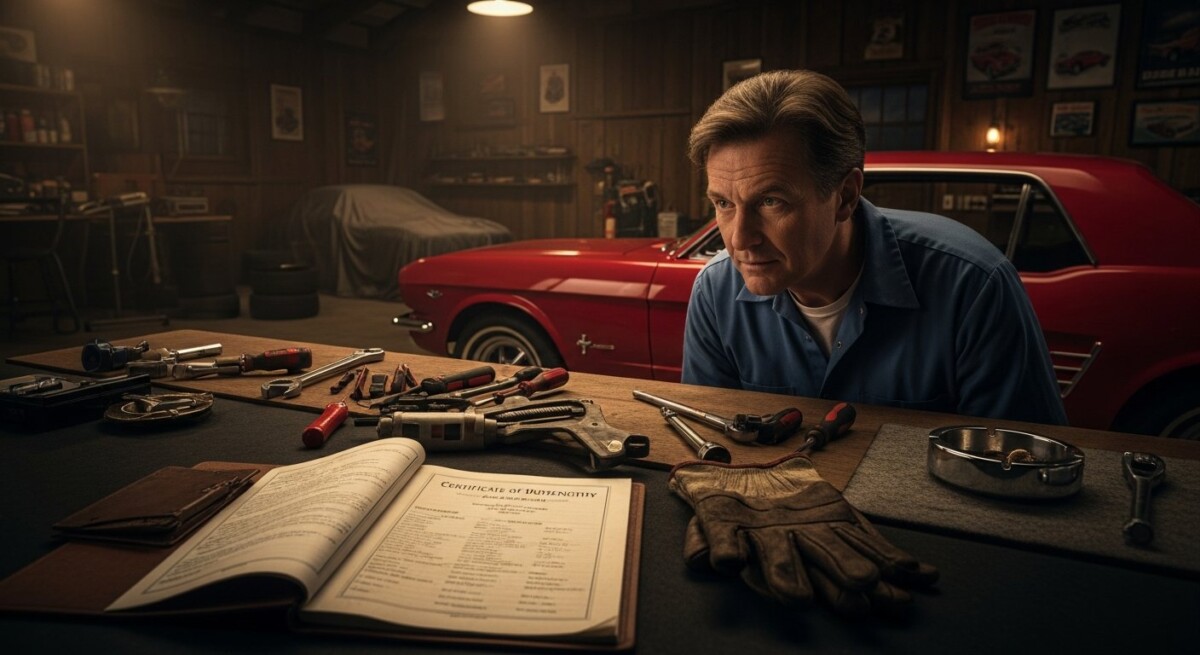
Owning a classic or antique car is a passion project. It is a connection to automotive history, a showcase of design and engineering, and often a significant financial investment. While your daily driver insurance policy might cover a modern sedan, it is almost certainly inadequate for a 1965 Mustang or a 1929 Model A. Standard auto insurance is built for vehicles that depreciate, not for appreciating assets. That is why specialized car insurance for classic and antique cars exists. It offers tailored protection that respects the unique value of your vehicle and the way you use it.
If you drive a collectible vehicle, you need a policy that accounts for agreed value, proper storage, and limited mileage. Without the right coverage, a fender bender or a garage fire could leave you with a check for a fraction of your car’s true worth. This guide explains how classic car insurance works, what it covers, and how to choose the best policy for your prized possession.
How Classic Car Insurance Differs From Standard Coverage
The first thing to understand is that a standard auto policy typically pays out actual cash value. This means the insurer subtracts depreciation from your car’s value when settling a claim. For a classic car that appreciates over time, this is disastrous. Specialized car insurance for classic and antique cars uses an agreed value structure. You and the insurer agree on the car’s worth at the time you buy the policy. If the car is totaled or stolen, you receive that full agreed amount, with no depreciation deducted.
Another key difference is how the vehicle is used. Classic car policies assume the vehicle is not a daily driver. They require limited annual mileage, often between 2,500 and 5,000 miles per year. They also require secure storage, usually a locked garage, when the car is not in use. In exchange for these restrictions, premiums are often significantly lower than standard auto insurance. This is because the insurer faces less risk: classic cars are driven less, stored safely, and maintained by passionate owners.
Coverage also extends to specialized repair needs. Classic cars often require original parts and expert restoration labor. A standard policy might only pay for generic replacement parts, which can diminish the car’s authenticity and value. Classic car policies typically include coverage for OEM parts and specialist repair shops, ensuring your vehicle is restored correctly after a loss.
Who Qualifies for Classic Car Insurance?
Not every old car qualifies for a classic car policy. Insurers have specific criteria that your vehicle and your driving habits must meet. Understanding these requirements helps you determine if you can access this specialized coverage.
Vehicle Age and Condition
Most insurers define a classic car as one that is at least 20 to 25 years old. Antique cars are often defined as 45 years or older. However, age alone is not enough. The vehicle should be in good or excellent condition, and it should be of historical or collectible interest. A 25-year-old sedan with high mileage and body damage may still be considered a standard vehicle. Some insurers also accept modern exotic cars or limited-edition sports cars, even if they are not yet 20 years old, provided they are not used for daily commuting.
Usage and Storage Requirements
Insurers expect classic cars to be used sparingly. Most policies cap annual mileage at 2,500 to 5,000 miles. You should not use the car for routine errands, commuting to work, or school drop-offs. The vehicle must be stored in a locked, enclosed garage when not in use. Driveway or street parking is generally not allowed. These requirements reduce the risk of theft, vandalism, and weather damage, which helps keep your premiums low.
Driver Qualifications
Insurance companies prefer that the primary driver be at least 25 years old and have a clean driving record. Some carriers also require that you have at least one other vehicle insured with a standard policy for daily use. This reinforces that the classic car is a secondary, recreational vehicle. If you have a history of accidents or traffic violations, you may face higher rates or disqualification from certain specialty insurers.
Coverage Options for Classic and Antique Cars
When you shop for car insurance for classic and antique cars, you will encounter several coverage types. Some are similar to standard auto insurance, but others are unique to collector vehicles. Knowing what each covers helps you build a policy that protects your investment without paying for unnecessary extras.
- Agreed Value Coverage: This is the cornerstone of classic car insurance. You and the insurer agree on the vehicle’s value upfront. In a total loss, you receive that full amount with no depreciation.
- Stated Value Coverage: This is less common for true classics. You state a value, but the insurer may only pay the actual cash value at the time of loss, which could be less. Avoid this option if you want full protection.
- Spare Parts Coverage: Many policies include coverage for spare parts, restoration supplies, and tools. This is valuable if you have a garage full of rare components.
- Roadside Assistance: Classic cars break down more often than modern vehicles. Look for a policy that includes flatbed towing and on-site labor, as flatbed towing is essential for avoiding damage.
- Liability Coverage: This covers bodily injury and property damage to others if you cause an accident. It is required in most states and should be purchased at adequate limits.
- Comprehensive and Collision: Comprehensive covers non-collision events like fire, theft, vandalism, and weather. Collision covers damage from hitting another vehicle or object. Both are essential for a high-value classic.
Some insurers also offer coverage for auto shows, parades, and club events. If you frequently display your vehicle, confirm that your policy includes liability protection for those activities. A few carriers provide a small allowance for transportation to and from shows, which can be a nice bonus.
Factors That Affect Your Premium
Several variables influence the cost of a classic car policy. Understanding these can help you secure the best rate while maintaining strong coverage.
The most significant factor is the agreed value of your vehicle. A $100,000 Ferrari will cost more to insure than a $20,000 Ford pickup. However, because classic car policies are based on limited use and secure storage, the premium per dollar of value is often lower than standard insurance. Your driving record also matters. A clean history with no accidents or tickets will earn you lower rates. Finally, your location plays a role. Cars stored in areas with high theft rates or severe weather may cost slightly more to insure.
To reduce your premium, consider bundling your classic car policy with your standard auto or homeowners insurance. Many specialty insurers offer multi-policy discounts. You can also raise your deductible, but be cautious: a high deductible on a total loss means you absorb more of the loss yourself. For a valuable classic, a lower deductible is usually wise.
For more strategies on lowering your overall insurance costs, check out our guide on 6 Techniques to Reduce Car Insurance Premiums. The principles there apply to classic car policies as well.
How to Get a Quote and Choose a Provider
Finding the right insurer for your classic car requires some research. Not all companies that sell standard auto insurance offer classic car policies. You will need to seek out specialty carriers like Hagerty, Grundy, Heacock, or American Collectors Insurance. These companies understand the collector market and offer the agreed value policies and specialized coverage you need.
When requesting a quote, be prepared to provide details about your vehicle, including its make, model, year, VIN, and condition. You will also need to provide photos of the car from multiple angles, including the engine bay, interior, and odometer. Some insurers require an appraisal from a certified expert. This appraisal establishes the vehicle’s market value and supports the agreed value you choose.
Compare quotes from at least three different specialty insurers. Pay attention to the coverage limits, deductibles, and exclusions. Some policies exclude coverage during racing events or while the vehicle is being restored. Read the fine print carefully. Also, look for customer reviews and financial strength ratings from agencies like A.M. Best. You want an insurer that will be around to pay claims decades from now.
If you need help understanding the terminology used in quotes, our article on 10 Car Insurance Terminologies Everyone Should Know can clarify important terms like premium, deductible, and exclusion.
Common Mistakes to Avoid
Even experienced collectors sometimes make errors when insuring their vehicles. Avoiding these pitfalls can save you money and heartache down the road.
- Insuring for a low value to save money: This is a dangerous mistake. If your car is worth $50,000 but you insure it for $30,000 to get a lower premium, you will only receive $30,000 in a total loss. Always insure for the true market value.
- Assuming your standard auto policy covers a classic car: Most standard policies exclude antique or collector vehicles or offer only minimal coverage. Always verify with your agent.
- Neglecting to update the agreed value: Classic car values rise over time. Reappraise your vehicle every two to three years and adjust your coverage to reflect current market conditions.
- Skipping comprehensive coverage: Because classic cars are stored in garages, some owners skip comprehensive to save money. However, theft, fire, and flood can happen anywhere. Comprehensive is worth the small premium.
Understanding deductibles is also critical. Our detailed post on All You Need to Know About Car Insurance Deductibles explains how deductibles affect your premium and claim payouts in both standard and classic car policies.
Frequently Asked Questions
Can I use my classic car as a daily driver?
No. Classic car policies require limited mileage, usually under 5,000 miles per year, and prohibit daily commuting. If you drive your classic daily, you need a standard auto policy, which will not provide agreed value coverage.
What happens if I exceed the mileage limit?
Most insurers allow some flexibility, but consistently exceeding the limit could lead to a claim denial or policy non-renewal. If you drive more than expected, contact your insurer to discuss a higher mileage allowance.
Do I need an appraisal to get a policy?
Many specialty insurers require a current appraisal for vehicles valued over a certain threshold, often $50,000 or $100,000. For lower-value classics, photos and a stated value may suffice. Check with each insurer.
Does classic car insurance cover parts and restoration?
Many policies offer optional coverage for spare parts and restoration materials. This is separate from the vehicle coverage and requires an additional premium.
How do I add a driver to my classic car policy?
If you share driving duties with a spouse or family member, you can add them to the policy. However, the primary driver should be the owner. Our guide on how to Add a Driver to Car Insurance Easily outlines the process for all policy types.
Securing the right car insurance for classic and antique cars is one of the most important steps in protecting your automotive investment. Unlike standard insurance, which treats your car as a depreciating asset, a classic car policy honors its true value and the care you put into preserving it. By choosing agreed value coverage, meeting usage and storage requirements, and working with a specialty insurer, you can enjoy your classic with peace of mind.
Remember to review your policy annually, update your vehicle’s appraisal as values rise, and drive safely. With the right coverage in place, your classic car will remain a source of pride and joy for years to come.